Barcelona is one of those cities where it can look like everyone already has friends.
People glide from terrace to beach to late dinner like they were issued a social life at the airport.
Reality: most people still need a simple way in.
That’s why activity groups in Barcelona work so well when they’re done right: they give you a place, a rhythm, and a reason to return—without forcing the “so… tell me your entire life story” conversation in minute three. For anyone searching activity groups Barcelona with real-life connection in mind, the best options usually combine a clear hobby, a friendly meeting point, and enough structure to stop the evening becoming social fog.

What makes an activity group “Barcelona-friendly”?
The best groups here tend to be:
- outdoors-aware (heat, shade, timing, meeting point)
- neighborhood-specific (because Barcelona is really a collection of moods)
- clear on timing (late is a vibe, but chaos is not a plan)
Also: “near the sea” is not a location. It’s a romantic problem. Choose groups that give a pin, not poetry.
7 activity group ideas that actually lead to friends
1) Walking + viewpoints (the gentle social hack)
Barcelona gives you movement, views, and natural pauses. It’s basically designed for low-pressure conversation.
Formats that work:
- early evening walks + a short stop for drinks/coffee
- weekend “one loop” hikes near the city
- photo-friendly walks (talking is optional)
2) Hiking groups (Collserola, but make it human)
If you’re trying to make friends, pick hikes that are:
- short
- beginner-friendly
- clear about pace
You want a hike that leaves space for conversation, not one where everyone is silently negotiating their lungs.
3) Language tables (Spanish/Catalan/English — pick your lane)
Language exchange is great here because Barcelona is genuinely international.
A good language table:
- stays small enough for real talk
- has prompts (so the conversation doesn’t die)
- welcomes beginners without turning it into a grammar courtroom
Tip: choose one main goal (practice Spanish, practice Catalan, or simply meet people). Trying to do all three at once can feel like juggling on the metro escalator.
4) Beach-adjacent movement groups (without the performance)
Yoga, mobility, gentle running groups, and stretching sessions can be very social when the tone is relaxed.
What to check:
- level (beginner vs advanced)
- equipment needs
- whether it ends with an easy social moment (a tea, a chat, a snack)
5) Creative workshops (ceramics, sketching, writing)
Creative groups are underrated friendship spaces because you don’t have to be “on” the whole time.
Great starter formats:
- beginner ceramics courses (multi-week)
- urban sketching meetups
- writing circles with light prompts
6) Board games and casual game nights
Board game nights work because conversation happens between turns, not as a performance.
Good signals:
- “teach and play”
- “open table”
- “beginners welcome”
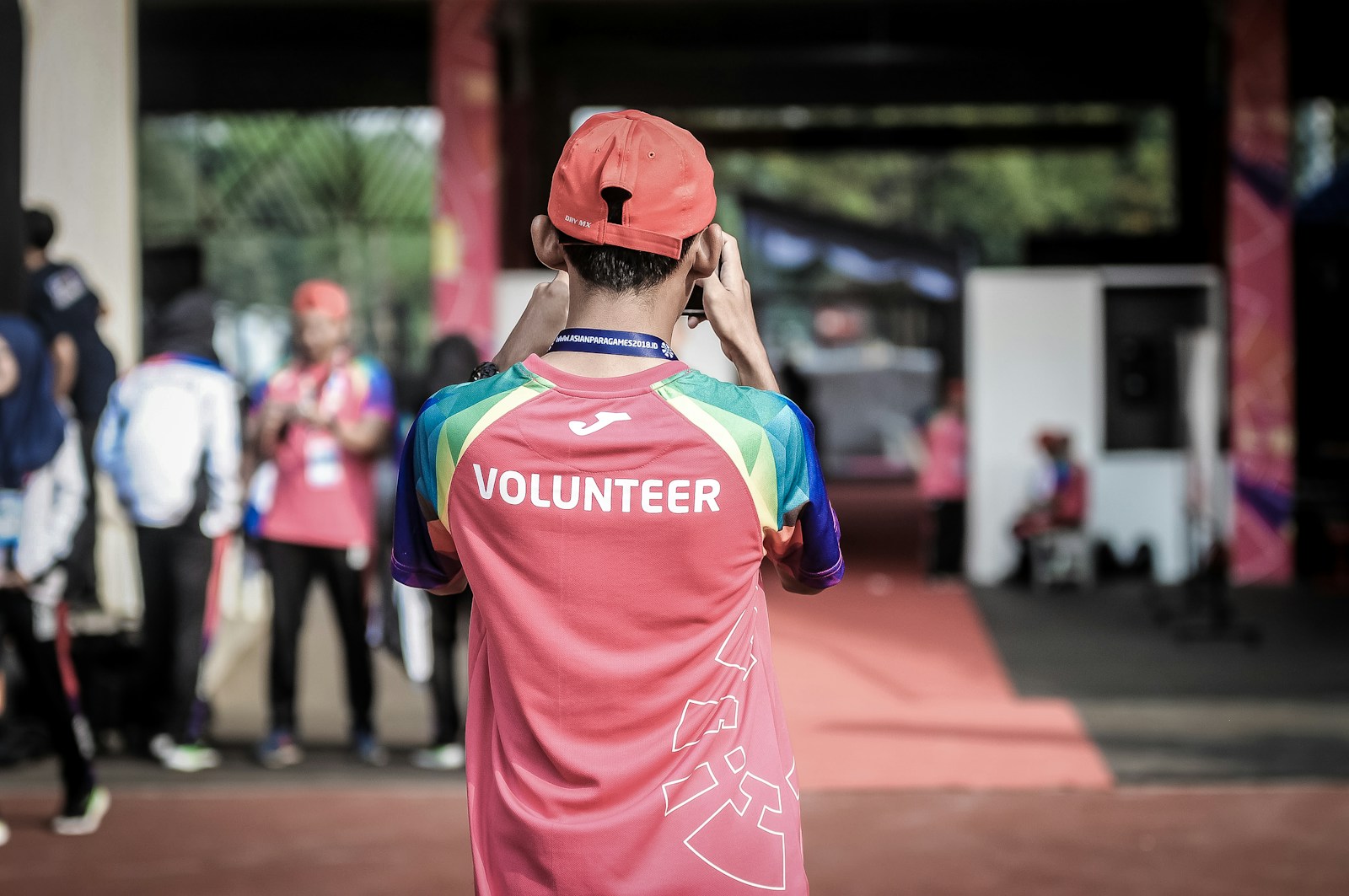
7) Volunteering groups (practical, social, meaningful)
If you want an activity group that feels grounded, volunteering can be a great option:
- beach/park cleanups
- community garden days
- mutual aid support tasks
You’re doing something useful together—which is friendship’s favorite ingredient.
Where to start in Barcelona (by neighborhood vibe)
This is not a perfect map. It’s a practical one.
- Gràcia: community energy, cafés, creative groups
- El Born: artsy meetups, language tables, small social events
- Eixample: central, convenient, good for classes and repeat routines
- Poblenou: modern vibe, cowork/creative circles, walks
- Montjuïc / Parc de la Ciutadella: outdoors meetups, movement, easy group plans
Pick a place you can realistically return to. Repetition beats novelty.
How to join without it feeling awkward
Use one sentence. That’s the whole trick.
- “Hi—first time here. Is this group open?”
- “Is this the [activity] meetup? I’m new.”
If the group is newcomer-friendly, those sentences work.
Reader questions
Do I need Spanish or Catalan to join activity groups?
Not always. Many groups are bilingual or English-friendly. Still: learning a few basics goes a long way, and language exchange is literally built for this.
What if I’m shy?
Start with formats where talking is optional at first: sketching, walking, board games, ceramics. The activity gives the first conversation somewhere natural to begin.
How fast do friendships form?
Usually after a few repeats. Don’t judge a group after one night—especially in a city where plans happen late and schedules shift.
A simple next step
Pick one activity group and give it a fair real-world try.
If you like meeting people through shared interests (instead of random social chaos), Kumele describes itself as a hobby meetup app built for hobbyists (learn more: https://kumele.com/about/).
Why the first step matters
Barcelona gives hobby groups a natural advantage when the place fits the activity: plazas for conversation, parks for movement, cafes for reading, and the coast for low-pressure outdoor energy. For hobby meetups, the strongest plan is usually the one that answers the little questions people are almost embarrassed to ask: where exactly do we meet, what level is this, what should I bring, what happens if I arrive alone, and is there a graceful way to leave if the format is not for me? Those details are not boring. They are what turn curiosity into attendance.
Good hobby plans make uncertainty smaller. They tell people where to go, what to bring, how long the activity lasts, what level is expected, and whether it is normal to arrive alone. That may sound basic, but basic is often what gets someone out the door.
Ways this can work
For activity groups in Barcelona, the setting should make the activity easier rather than simply more photogenic. A good place answers the practical questions first: where to meet, how to begin, what level to expect, and how people can participate without pretending they already know the ritual.
Beginner-friendly options can include walking groups, language tables, creative workshops, and casual game nights. The practical details matter: level, duration, cost, equipment, language, group size, and whether beginners are genuinely welcome. The more clearly the first step is described, the easier it is for a nervous beginner to say yes.
Turning interest into a real plan
Kumele should be understood as a starting point, not the whole friendship. By matching around hobbies, age, and location, it can help people looking for activity groups in Barcelona find a more compatible first room. The rest still depends on clear plans, safe settings, and whether people actually want to return.
A good match makes the first meeting feel less random and the second one easier to imagine. Someone may love hobby meetups, but still need a nearby setting, a suitable level, and a group rhythm that feels natural.
A simple way to begin
If several Barcelona activities sound possible, choose the one with the clearest first step. A walk, class, game night, or language table is easier to try when the meeting point and level are obvious.
A good first attempt should feel simple enough to repeat. Before you commit to Activity groups in Barcelona: hobby ideas for locals and newcomers, check the route, level, cost, and group size. If those details fit your week in Barcelona, you have already removed half the friction.
A quick pre-meetup check
Before committing, check the meeting point, transport, expected cost, beginner level, language, weather plan, equipment, and whether arriving alone is normal. For Barcelona, also think about timing and how easy it will be to return if the first meeting goes well. The best hobby plan is not the one with the loudest promise. It is the one that makes your next good decision obvious.
A good invitation should let you imagine arrival, participation, and exit without decoding the whole evening.
Helpful Barcelona reads
Use the links above only if they help you keep exploring Barcelona in a practical way. The better next step is still simple: choose one realistic activity groups in Barcelona option and see whether it feels worth repeating.
The human part of the hobby
A hobby becomes social when it is easy enough to repeat. For activity groups in Barcelona, that may mean a smaller group, a familiar neighborhood, a beginner-friendly pace, or a meeting point that does not require a heroic transport strategy. The less energy people spend figuring out the basics, the more energy they have left for the activity itself.
A friendlier way to begin
You do not need to become the most outgoing person in the room. You only need a setting where participation is simple and the first conversation has somewhere to land. Shared hobbies are useful because they replace the pressure to be instantly interesting with the relief of doing something real together.
Keep the first attempt ordinary
Do not ask the first attempt to fix your entire social life. Let activity groups in Barcelona do one useful thing: put you near people who care about something similar, in a setting where conversation has a natural place to begin. That is already enough. Anything more can arrive later, preferably without a dramatic montage.
Where to look next
To keep exploring nearby options, use the Barcelona Kumele blog for related guides and the Barcelona Kumele homepage for the prelaunch city overview. Then come back to one specific activity groups in Barcelona plan you can actually try.
Final thought
The best approach to activity groups Barcelona is not to hunt for the perfect group. Start with one clear, beginner-friendly option, notice how it feels, and repeat the parts that make you want to come back. Real community usually begins with a small plan that is easy enough to do again.