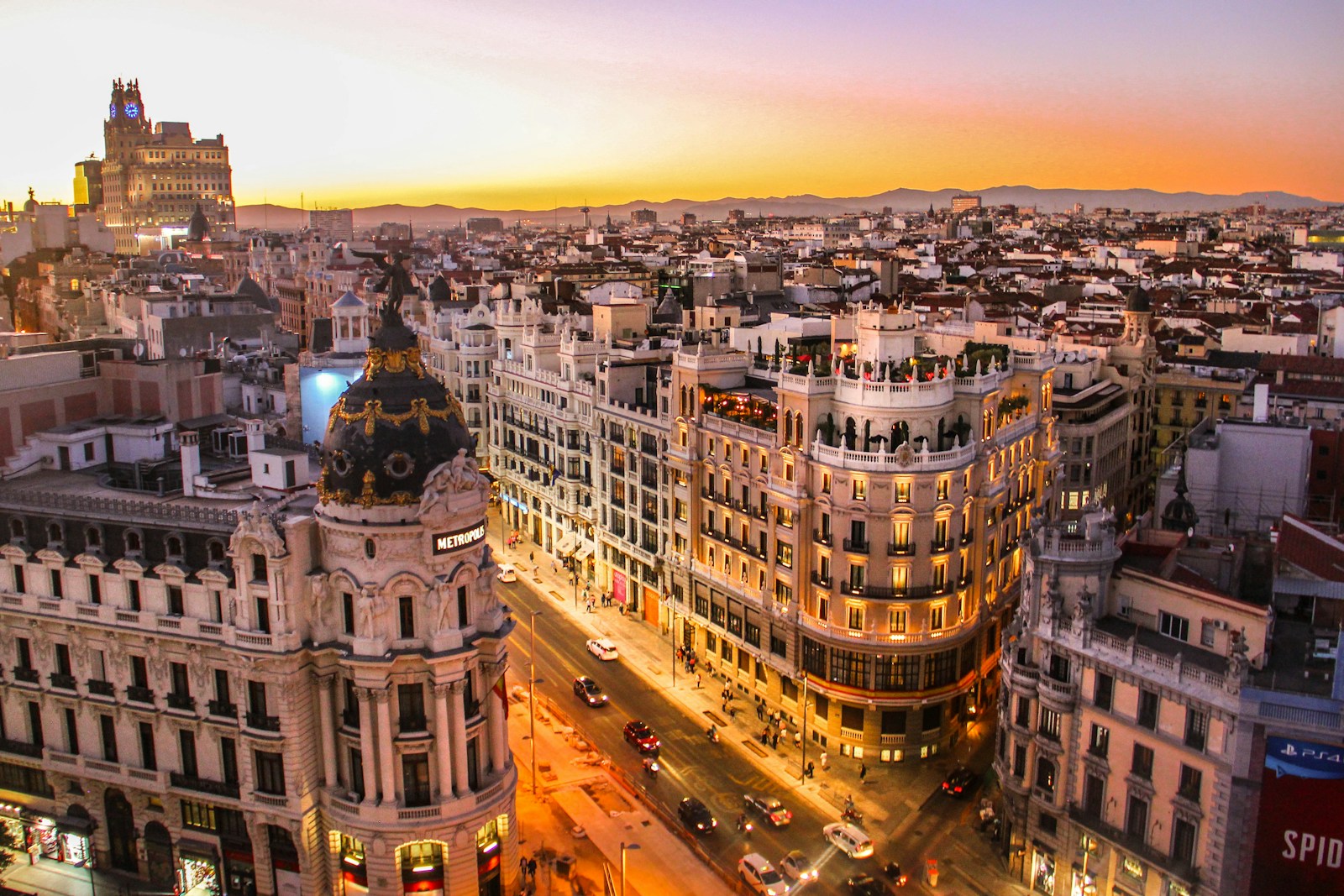
Barcelona is basically a living photo set:
- warm light
- textures everywhere
- tiny scenes happening on every corner
So if you’re searching street photography Barcelona, you might be:
- a beginner who wants a hobby that gets you out of your head
- someone who owns a camera and feels guilty about it
- new in the city and looking for a creative way to meet people
Street photography is one of the best “social hobbies for introverts” because you can talk… and then just take photos. The activity carries you.
This guide covers how beginner photo walks and meetups typically work, what to bring (spoiler: your phone counts), simple prompts that make it fun, and how to meet people without turning it into a networking event.
Quick answer: can beginners do street photography in Barcelona?
Yes. You don’t need:
- expensive gear
- perfect technique
- the bravery of someone who never feels awkward
You need:
- curiosity
- respect for people
- a simple prompt
And ideally, a beginner-friendly group where “learning” is the point.
What “street photography” actually means (and what it doesn’t)
Street photography doesn’t have to be:
- invasive
- sneaky
- “let me take a close-up of a stranger’s face” energy
Beginner-friendly street photography can be:
- architecture + light
- hands (people holding things, gestures)
- movement (blur, bikes, transit)
- markets, cafes, and public spaces (from a respectful distance)
- reflections and shadows
If you’re nervous about photographing people, start with people-adjacent photos. You’ll learn composition without stressing your nervous system.
What a beginner photo walk or meetup usually looks like
Most photo walks are simple:
1) meet at a clear location 2) quick hello + prompt/theme 3) walk a route (usually 60–120 minutes) 4) stop for snacks/coffee 5) optional “share a few shots” moment
The best ones feel like:
- a creative stroll
- not a competition
If a group feels overly intense about gear, settings, or “winning,” try a different one.
What to bring (phone counts, seriously)
Bring:
- a camera or phone
- comfortable shoes
- water
- a small bag
Nice-to-have:
- an extra battery (if your camera is dramatic)
- a small notebook for ideas
You do not need:
- three lenses
- a tripod (usually not necessary for photo walks)
- permission to be “good enough” before you start
Beginner-friendly photo prompts for Barcelona (fun and not overwhelming)
Prompts make street photography easier because they:
- give you focus
- remove pressure to be “original”
- make sharing with others easier (“What did you get for prompt #3?”)
Try one of these:
Prompt 1: “Only shadows”
Look for shapes, silhouettes, and contrast.
Prompt 2: “Three colors”
Pick three colors and photograph only those.
Prompt 3: “Hands”
Hands holding coffee, bags, keys, newspapers, phones—tiny stories.
Prompt 4: “Doors and textures”
Barcelona is full of texture. Let the city do the work.
Prompt 5: “One block, ten photos”
Stay in a small area and practice noticing details.
The goal is practice, not perfection.
How to meet people at photography meetups (without forced small talk)
Photography gives you easy conversation starters because you can always talk about:
- the prompt
- the light
- the route
- what you’re trying to learn
Try:
- “What are you shooting today—people, architecture, or details?”
- “Are you new to Barcelona or have you been here a while?”
- “Do you shoot with a phone or a camera?”
- “Any beginner tips you’ve learned the hard way?”
Also: compliments work best when they’re specific.
- “That reflection shot was clever.”
Not “You’re so talented.” (Too big, too vague, weirdly intimate.)
Beginner etiquette (so you feel confident and respectful)
Street photography works best when it’s grounded in respect:
- avoid blocking people’s path
- don’t photograph vulnerable situations for “aesthetic”
- if someone clearly doesn’t want to be photographed, don’t push it
If you want to take a direct portrait:
- ask, or keep it clearly non-identifiable
- be ready to accept “no” without being dramatic
Respect makes you a better photographer and a better human.
Quick safety and comfort rule (especially for beginners)
If you’re photographing people:
- keep a respectful distance
- avoid photographing vulnerable moments for “aesthetic”
- if someone clearly doesn’t want to be photographed, don’t push it
And for your own comfort: start with architecture, light, and details until you feel confident. You’re allowed to learn slowly.
Simple editing habits (so your photos look better fast)
You don’t need complicated editing. For beginner street photography, try a light, consistent approach:
- pick your best 5 shots (not 50)
- straighten horizons
- adjust exposure gently (don’t crush everything into darkness)
- crop with intention (remove distractions)
- keep colors natural (unless your style is intentionally bold)
The goal is clarity, not perfection.
Sharing without turning it into a competition
If your group shares photos, it’s easy to get self-conscious.
A healthier approach:
- share one photo you like and one thing you learned
- ask others what they noticed (“How did you see that?”)
- focus on practice, not comparison
Street photography improves quickly when you stay curious. Confidence improves quickly when you stop treating creativity like a performance.
How to get better quickly (without drowning in tutorials)
Pick one focus per week:
- week 1: light and shadow
- week 2: framing and leading lines
- week 3: timing and movement
- week 4: editing basics (keep it simple)
Then do one short practice session (30–60 minutes).
Small practice beats big ambition.
Making the hobby stick (the “friendship” part)
Friendships form when people see each other repeatedly.
If you want that:
- join a recurring photo walk
- suggest a second walk (“Want to do a quick session next weekend?”)
- keep it light and specific (“Saturday morning, 60 minutes, coffee after?”)
Repeatable plans are friend-making fuel.
Where Kumele fits
If you want to meet people in Barcelona through creative hobbies like photography, Kumele can help you connect with people based on hobbies, age, and location—so you can find a photo-walk buddy (or start a small group) without relying on random luck.
Start here:
If you ever feel stuck on a walk, switch back to one simple prompt (“only shadows” or “one block, ten photos”). Prompts keep the hobby playful—and play is often where confidence grows.
FAQ
Do I need an expensive camera for street photography in Barcelona?
No. A phone is enough to start. The skill is noticing light, composition, and moments—not the price tag.
Are photo walks good for meeting people?
Yes. They’re structured and low-pressure: you can talk about the prompt and the city, then focus on taking photos.
What should I photograph if I’m shy about taking photos of strangers?
Start with architecture, light/shadows, details, hands, movement blur, or markets from a respectful distance. You can build confidence gradually.
What time of day is best for street photography in Barcelona?
Early morning and late afternoon often have softer light and a calmer pace. Midday can be harsher (strong sun, hard shadows), but it’s still useful practice if you lean into high-contrast scenes. If you’re going with a group, choose times that feel safe and relaxed—you’ll shoot better when you’re not rushed.
A practical first step for this guide
For Street photography in Barcelona: beginner meetups, easy photo prompts, and meeting people while you learn, start smaller than your ambition. Pick one version of photography in Barcelona that feels realistic enough to repeat. A plan that happens twice is better than a heroic plan that exists only in your notes app, looking beautiful and unemployed. The first goal is not to become the most impressive person in the group. The first goal is to arrive, understand the rhythm, and leave with a clearer sense of whether you would try it again.
Barcelona adds its own texture to the decision. Think about travel time, cost, weather, language comfort, neighbourhood distance, and beginner level before you commit. A good hobby choice answers four ordinary questions: where do I go, what do I bring, how long does it take, and what would make the first session feel welcoming? For photography, that might mean a clear meeting point, a visible host, a beginner lane, or a format where nobody has to pretend they were born knowing the rules.
The social part should stay light. You are not trying to assemble an entire friend group before your drink gets cold. You are trying to create one second conversation. Hobbies make that easier because the activity carries the first few minutes: a route, a recipe, a camera setting, a song, a game rule, a sketchbook, a trail, a class exercise. Suddenly you have something to say that is not “So, what do you do?” which is useful, because that question has personally ended many promising conversations before they had a chance to stretch. For this particular guide, the useful test is whether the reader can act on it this week. In “Street photography in Barcelona: beginner meetups, easy photo prompts, and meeting people wh”, this point works best when it stays close to the actual reader problem.
If Kumele is relevant to your next step, think of it through the confirmed idea of hobby-first matching around hobbies, age, and location. Shared interest lowers pressure. Location makes repeat plans more realistic. Age can shape schedule, pace, and comfort. For Street photography in Barcelona: beginner meetups, easy photo prompts, and meeting people while you learn, that combination matters because friendship usually grows through repeated, ordinary contact rather than one perfect social lightning strike.
A sensible move this week is to choose one activity, write down what would make it feel welcoming, and look for a small local option that matches that feeling. If the first attempt is awkward, do not turn it into a character verdict. You tried something in public. That already puts you ahead of the version of yourself still “doing research.” For this particular guide, the useful test is whether the reader can act on it this week. For this article, the strongest useful detail is tied to “Street photography in Barcelona: beginner meetups, easy photo prompts, and meeting people wh”, not to a generic batch template.
Final thought
The best approach to street photography Barcelona is not to hunt for the perfect group. Start with one clear, beginner-friendly option, notice how it feels, and repeat the parts that make you want to come back. Real community usually begins with a small plan that is easy enough to do again.
Join the early hobby matching waitlist in your city
Join the early hobby matching waitlist in your city. Choose your city and the hobbies you want to try so Kumele can see where local demand is strongest first.
Start with the hobby groups near me guide, the hobby friends guide, or the main hobby guide.
Plan your next hobby step
Keep going with Kumele’s core guides: hobby ideas, hobby groups near me, hobby friends, and the city homepage.