Author: Kumele Blog team

  • Free and Low-Cost Hobby Meetups in Barcelona

    Free and Low-Cost Hobby Meetups in Barcelona

    Free and low-cost hobby meetups in Barcelona matter because friendship should not require a premium subscription to adulthood. A good social life needs repeatable plans, and repeatable plans usually need to respect real budgets.

    Barcelona is generous with light, noise, and temptation. It can make a small hobby plan feel cinematic, but strong meetups still need ordinary things: a clear time, a real meeting point, and someone kind enough to explain what happens first. The strongest low-cost hobby ideas are not cheap because they are thin. They are affordable because they use simple formats well: walking, reading, sketching, language practice, board games, park fitness, volunteering, photography, and small shared routines.

    friends meeting outdoors for a low-cost hobby activity in Barcelona
    An outdoor group scene for Barcelona readers looking for affordable hobbies that can become repeatable social routines.

    Low cost still needs high care

    A free meetup can be wonderful, but free is not a substitute for clarity. Readers should still know the meeting point, start time, group size, weather plan, what to bring, and whether beginners can join. Cheap chaos is still chaos; it merely arrives with fewer receipts.

    In Barcelona, budget-friendly activities need even more practical detail because transport, timing, safety, and venue rules can shape whether people return. Think about places such as Gracia, Eixample, and Poblenou, but judge the exact venue by noise, access, timing, and whether a newcomer can find the group without a treasure map.

    Low-cost formats that suit Barcelona

    • walking groups with a clear route and finish point
    • book or article discussions using public-domain, library, or short online texts
    • sketch walks or photo walks where phones are enough to start
    • language exchange tables in quiet public spaces or affordable cafes
    • volunteer shifts where contribution matters more than spending
    • board game nights where people bring games and teach newcomers kindly

    The goal is not to make everything free. The goal is to remove unnecessary friction. A small cafe purchase may be reasonable. A surprise fee, hidden equipment cost, or vague upsell is not.

    small group gathering for an affordable community activity in Barcelona
    A small group setting reflects the value of affordable meetups where the invitation is clear and the pressure stays low.

    How to judge value, not just price

    Ask what the activity gives back: movement, learning, practice, conversation, confidence, community, or a reason to leave the house without turning the evening into a financial decision. A free event that wastes your time is expensive in another currency. A modest paid class that gives structure and good people may be worth repeating.

    Readers should also check whether the activity can become a habit. One dramatic day out is lovely. A low-cost weekly routine is stronger for friendship because names, jokes, and trust need repetition.

    Affordable does not mean anonymous

    The strongest free and low-cost hobby meetups in Barcelona still feel hosted. Someone welcomes newcomers. Someone explains the first ten minutes. Someone says what happens if it rains, where the group ends, and whether people usually stay for a drink, snack, or second loop afterwards. Without that small layer of care, a free event can feel like standing near strangers in public and hoping sociology arrives.

    Good low-cost groups also respect the quiet budget questions people may not want to ask out loud. Is there a minimum spend at the cafe? Is the museum day actually free for this age group or time slot? Does the activity require a mat, bike, camera, shoes, notebook, game, or ticket? A thoughtful listing answers before embarrassment gets involved.

    For Barcelona, low-cost hobbies can also be a way to discover the city gently. A library-based reading group, a public-park walk, an open sketch session, a volunteer shift, or a language table can reveal neighborhoods without turning the weekend into a financial obstacle course. That matters for students, newcomers, remote workers, freelancers, families, and anyone trying to be social without making their bank account sigh.

    The social design matters

    A low-cost meetup should make it normal to arrive alone. It should also help people join without buying gear first. A walking group can name the pace. A sketch group can say phones or pencils are enough. A language table can offer prompts. A board game group can teach a starter game. These details turn an idea into an invitation.

    Spanish, Catalan, and international life overlap here, so the strongest groups make room for different levels of confidence. That local mood matters. A plan that works in Barcelona should respect how people actually move through the city, what times feel realistic, and which spaces make conversation possible.

    Start with one repeatable experiment

    A useful approach is to choose one low-cost hobby for a month rather than collecting ten possible events like browser tabs with shoes on. Try a weekly walk, a fortnightly book discussion, a casual language table, or a beginner-friendly board game night. Notice who returns, how the host handles newcomers, and whether the activity feels easier on the second visit.

    If you are comparing affordable activities in Barcelona, give extra credit to meetups that share clear routes, public meeting points, beginner notes, and realistic time commitments. These details show respect for the reader. They also help Google understand that the page is serving a real local decision rather than repeating a city name around generic hobby advice.

    Low-cost community should feel dignified, not like a consolation prize. The right group can give someone a reason to leave the house, practise a skill, laugh with strangers, and come home feeling that the city has one more friendly corner than it did yesterday.

    Good budget hobbies make return visits easy

    For readers in Barcelona, the real test is whether a hobby can survive normal life. If the plan requires too much money, too much travel, or too much emotional bravery, it may collapse after one attempt. A strong low-cost meetup is modest enough to repeat and interesting enough to remember. That is the sweet spot: affordable, clear, and human.

    There is also a confidence benefit. Low-cost hobbies let people experiment without turning every choice into a personal brand statement. You can try a sketch walk and be charmingly average. You can join a language table and forget a word with dignity. You can attend a board game night and learn that someone will explain the rules for the third time because kindness is cheaper than gatekeeping.

    That repeatable quality is why free meetups in Barcelona, affordable activities, and low-cost hobby groups deserve serious attention. They are not filler ideas. They are often the first practical bridge between wanting a fuller social life and actually building one.

    A reader in Barcelona can also use low-cost hobbies as a gentle social audit. If a group explains itself clearly, welcomes solo arrivals, and gives people something to do within the first few minutes, it is worth another look. If the event feels vague, cliquey, or strangely expensive once you arrive, that is useful information too. The right hobby should leave you lighter, not as if you have paid to be confused in public.

    Where Kumele fits after the guide helps

    This guide should help readers find affordable hobby routes first. Kumele becomes useful when someone wants compatible local hobby friends nearby, matched around hobbies, age, and location, so low-cost plans can become real-life routines.

    Pair this with Complete Barcelona hobby guide, New to Barcelona hobby meetups, and Barcelona activity groups.

    Useful local checks for Barcelona

    Check public spaces, transport, opening hours, weather, and whether a venue expects a purchase. These resources can help compare local areas before choosing a repeatable plan.

    A grounded first step

    Pick one free or low-cost hobby meetup in Barcelona that you could repeat next week. Bring only what the listing asks for. If the activity feels easy enough to return to, you have found something more valuable than a one-off social burst.

    This guide supports readers searching for free meetups Barcelona, low-cost hobbies Barcelona, affordable activities Barcelona, and hobby meetups Barcelona.

  • Music and Dance Meetups in Barcelona: Social Energy Without the Awkwardness

    Music and Dance Meetups in Barcelona: Social Energy Without the Awkwardness

    Music and dance meetups in Barcelona can cut through awkwardness quickly because rhythm does some of the introductions. A useful groups make room for beginners, explain the level, and remember that joy is allowed even when technique is still catching up.

    people dancing and enjoying music together in Barcelona
    Music and dance meetups do not need perfection; they need rhythm, warmth, and enough space to move. Photo via Unsplash.

    This guide is for readers who want to try music and dance, understand what a beginner-friendly group should look like, and choose a realistic first step in Barcelona. The useful question is not only “what is available?” It is “what kind of plan would I actually attend, enjoy, and maybe repeat?”

    Why Music and Dance Make Meeting Easier

    In Barcelona, the setting often does half the work. A small group near Gracia, El Born, Parc de la Ciutadella, or Collserola gives people a reason to arrive, look around, and talk without making the whole thing feel like a networking exercise. Music and dance works useful when the activity gives people something concrete to notice, try, compare, or improve together.

    In a music or dance meetup, attention goes to rhythm, sound, and movement. That can soften awkwardness faster than another round of introductions.

    What a good beginner-friendly meetup includes

    A good music or dance meetup should make the first step feel clear. For beginners, that means: look for beginner level, space, cost, music style, and whether the group is social-first or performance-first. The point is not to remove all uncertainty. A little uncertainty is life being life. The point is to remove the avoidable kind: vague locations, unclear costs, surprise skill levels, and hosts who assume many people has already attended twelve similar events.

    • A specific meeting point near a recognizable landmark such as Barceloneta or Gracia
    • A clear note about beginner level, cost, equipment, and language
    • A small enough group that people can actually hear each other
    • A simple first-ten-minutes plan so nobody hovers around pretending to inspect their phone
    • A host or member who welcomes people arriving alone

    Music and Dance Formats to Try

    A useful format depends on your energy. Some people want something quiet and repeatable. Others want a small adventure. In Barcelona, these formats are realistic starting points:

    • Open jam circles around areas like Barceloneta
    • Beginner dance socials around areas like Gracia
    • Listening clubs around areas like El Born
    • Songwriting sessions around areas like Montjuic

    The phrase “meetup” can sound larger than it needs to be. A strong hobby gathering might be six people, one hour, one clear activity, and a gentle goodbye before the whole thing starts feeling like compulsory team-building. Small is not a weakness. Small is often why people come back.

    people playing music together in a relaxed group in Barcelona
    A casual music circle can make joining in feel less like a performance and more like play. Photo via Unsplash.

    Beginner mistakes to avoid

    The most common mistake is choosing a group because the title sounds impressive rather than because the format suits your actual life. A good music or dance meetup should make the first step clear, realistic, and welcoming.

    Another mistake is waiting until you feel perfectly ready. For most hobbies, readiness arrives after you begin. Bring the basic equipment, ask the obvious question, and choose a group where beginners are not treated like a logistical inconvenience. A good music or dance meetup should make learning feel normal.

    Where to look in Barcelona

    In Barcelona, match the hobby to the neighborhood: Gracia and El Born suit cafe, book, language, and creative plans; Parc de la Ciutadella and Collserola suit outdoor movement; Montjuic works when the view is part of the reward.

    In Barcelona, timing and neighborhood mood change the whole experience. A plan near Gracia may suit conversation and cafes; one near Collserola may suit outdoor energy; one near the beach needs a clear meeting point because “near the sea” is not a location, it is a romantic problem.

    For planning, it helps to check a few independent local resources rather than relying on one platform. These links are useful starting points for parks, public spaces, cultural venues, or places that often support hobby-friendly plans:

    Etiquette that keeps the group welcoming

    Good hobby meetups are casual, but casual does not mean careless. Arrive when you said you would, respect the host’s instructions, ask before photographing people, and do not turn a beginner session into a private masterclass nobody requested. If the group is mixed-level, generosity matters. The person learning today may be the person who keeps the group alive next month.

    For hosts, clarity is kindness. Tell people what to bring, what not to worry about, and how the activity will start. If money is involved, say so early. If the event is weather-dependent, have a backup. If the group is open to beginners, prove it in the wording, not only in the title.

    How to meet people without making it weird

    The trick is to make the activity the center, not the performance of being social. If you are joining, ask one simple question about the hobby. If you are hosting, introduce the plan before introducing many people. People relax when they know what happens next.

    Good hobby groups leave space for different personalities. Some people talk immediately. Some need twenty minutes and a task. Some are friendly but tired. That is normal. A useful meetups make room for both the person who arrives ready to chat and the person who needs the activity to warm the room first.

    When a hobby match is more useful than another listing

    Kumele is useful after the reader has a real hobby intention. It is built for hobbyists rather than as a generic event directory: people build a profile around what they enjoy, then get matched by hobbies, age, and location so local connection starts from shared interest.

    That matters for music and dance because compatibility is practical. A beginner may want a slower group. Someone in the same part of Barcelona may be easier to meet again. Someone in a similar life stage may understand the same schedule problems. That is why Kumele’s confirmed focus on hobbies, age, and location is relevant: it speaks to the real human question behind the search, which is not just “what can I do?” but “who might I enjoy doing this with?”

    Related Kumele guides for Barcelona

    If you are comparing options in Barcelona, these related Kumele guides are useful next reads:

    A realistic first step

    If you want to try music and dance in Barcelona, do not start with a grand reinvention of your life. Start with one small plan this week. Pick a place, a time, and a beginner-friendly format. Invite one or two people if you know them, or look for a small group where arriving alone is clearly welcome.

    The goal is not to become a new personality by Thursday. The goal is to give yourself a repeatable way to meet people through something you already like, or something you are curious enough to try. That is how hobbies turn from “I should do that someday” into actual community.

    If the first meetup is only fine, that is still useful information. Try a second format before deciding the hobby or the city has rejected you personally. Sometimes the right group is one neighborhood over, one level gentler, or one host more organized. Community is often less dramatic than people imagine. It is a series of small returns.

  • New to Barcelona? How Hobby Meetups Help You Settle In

    New to Barcelona? How Hobby Meetups Help You Settle In

    Being new to Barcelona can make ordinary plans feel oddly complicated. Hobby meetups help because the activity explains why many people is there, which is much kinder than asking strangers to manufacture instant chemistry.

    new friends meeting through a casual group activity in Barcelona
    Barcelona hobby scene chosen to match this guide’s real-life activity focus. Photo via Unsplash.

    This guide is for readers who want to try newcomer-friendly hobbies, understand what a beginner-friendly group should look like, and choose a realistic first step in Barcelona. The useful question is not only “what is available?” It is “what kind of plan would I actually attend, enjoy, and maybe repeat?”

    Why Hobbies Help Newcomers Settle In

    In Barcelona, the setting often does half the work. A small group near Gracia, El Born, Parc de la Ciutadella, or Collserola gives people a reason to arrive, look around, and talk without making the whole thing feel like a networking exercise. Newcomer-friendly hobbies works useful when the activity gives people something concrete to notice, try, compare, or improve together.

    For newcomers, attention goes to the activity rather than the pressure of proving they belong immediately. That is a kinder first step.

    What a good beginner-friendly meetup includes

    A good newcomer-friendly hobby group should make the first step feel clear. For beginners, that means: start with repeatable activities that make conversation optional at first and easier later. The point is not to remove all uncertainty. A little uncertainty is life being life. The point is to remove the avoidable kind: vague locations, unclear costs, surprise skill levels, and hosts who assume many people has already attended twelve similar events.

    • A specific meeting point near a recognizable landmark such as Barceloneta or Gracia
    • A clear note about beginner level, cost, equipment, and language
    • A small enough group that people can actually hear each other
    • A simple first-ten-minutes plan so nobody hovers around pretending to inspect their phone
    • A host or member who welcomes people arriving alone

    Newcomer-friendly hobbies formats to try

    A useful format depends on your energy. Some people want something quiet and repeatable. Others want a small adventure. In Barcelona, these formats are realistic starting points:

    • Walking groups around areas like Barceloneta
    • Language exchange around areas like Gracia
    • Board games around areas like El Born
    • Beginner workshops around areas like Montjuic

    The phrase “meetup” can sound larger than it needs to be. A strong hobby gathering might be six people, one hour, one clear activity, and a gentle goodbye before the whole thing starts feeling like compulsory team-building. Small is not a weakness. Small is often why people come back.

    Hobby Meetup scene for New to Barcelona? How Hobby Meetups Help You Settle In in Barcelona
    Hobby Meetup visual matched to the article topic in Barcelona; selected to support the reader’s practical understanding, not to decorate the page.

    Beginner mistakes to avoid

    The most common mistake is choosing a group because the title sounds impressive rather than because the format suits your actual life. A good newcomer-friendly hobby group should make the first step clear, realistic, and welcoming.

    Another mistake is waiting until you feel perfectly ready. For most hobbies, readiness arrives after you begin. Bring the basic equipment, ask the obvious question, and choose a group where beginners are not treated like a logistical inconvenience. A good newcomer-friendly hobby group should make learning feel normal.

    Where to look in Barcelona

    In Barcelona, match the hobby to the neighborhood: Gracia and El Born suit cafe, book, language, and creative plans; Parc de la Ciutadella and Collserola suit outdoor movement; Montjuic works when the view is part of the reward.

    In Barcelona, timing and neighborhood mood change the whole experience. A plan near Gracia may suit conversation and cafes; one near Collserola may suit outdoor energy; one near the beach needs a clear meeting point because “near the sea” is not a location, it is a romantic problem.

    For planning, it helps to check a few independent local resources rather than relying on one platform. These links are useful starting points for parks, public spaces, cultural venues, or places that often support hobby-friendly plans:

    Etiquette that keeps the group welcoming

    Good hobby meetups are casual, but casual does not mean careless. Arrive when you said you would, respect the host’s instructions, ask before photographing people, and do not turn a beginner session into a private masterclass nobody requested. If the group is mixed-level, generosity matters. The person learning today may be the person who keeps the group alive next month.

    For hosts, clarity is kindness. Tell people what to bring, what not to worry about, and how the activity will start. If money is involved, say so early. If the event is weather-dependent, have a backup. If the group is open to beginners, prove it in the wording, not only in the title.

    How to meet people without making it weird

    The trick is to make the activity the center, not the performance of being social. If you are joining, ask one simple question about the hobby. If you are hosting, introduce the plan before introducing many people. People relax when they know what happens next.

    Good hobby groups leave space for different personalities. Some people talk immediately. Some need twenty minutes and a task. Some are friendly but tired. That is normal. A useful meetups make room for both the person who arrives ready to chat and the person who needs the activity to warm the room first.

    When a hobby match is more useful than another listing

    Kumele is useful after the reader has a real hobby intention. It is built for hobbyists rather than as a generic event directory: people build a profile around what they enjoy, then get matched by hobbies, age, and location so local connection starts from shared interest.

    That matters for newcomer-friendly hobbies because compatibility is practical. A beginner may want a slower group. Someone in the same part of Barcelona may be easier to meet again. Someone in a similar life stage may understand the same schedule problems. That is why Kumele’s confirmed focus on hobbies, age, and location is relevant: it speaks to the real human question behind the search, which is not just “what can I do?” but “who might I enjoy doing this with?”

    Related Kumele guides for Barcelona

    If you are comparing options in Barcelona, these related Kumele guides are useful next reads:

    A realistic first step

    If you want to try newcomer-friendly hobbies in Barcelona, do not start with a grand reinvention of your life. Start with one small plan this week. Pick a place, a time, and a beginner-friendly format. Invite one or two people if you know them, or look for a small group where arriving alone is clearly welcome.

    The goal is not to become a new personality by Thursday. The goal is to give yourself a repeatable way to meet people through something you already like, or something you are curious enough to try. That is how hobbies turn from “I should do that someday” into actual community.

    If the first meetup is only fine, that is still useful information. Try a second format before deciding the hobby or the city has rejected you personally. Sometimes the right group is one neighborhood over, one level gentler, or one host more organized. Community is often less dramatic than people imagine. It is a series of small returns.

  • Food and Cooking Meetups in Barcelona for Hobby Friends

    Food and cooking meetups in Barcelona work because the table does a generous amount of social labour. People can chop, stir, taste, compare notes, laugh at a sauce that took a bold emotional direction, and talk without staring at one another like a networking exercise with snacks.

    Barcelona is generous with light, noise, and temptation. It can make a small hobby plan feel cinematic, but strong meetups still need ordinary things: a clear time, a real meeting point, and someone kind enough to explain what happens first. A cooking meetup fits that rhythm when it is practical enough for beginners and warm enough for strangers to become familiar faces.

    people cooking together around a kitchen table in Barcelona
    A hands-on cooking scene for Barcelona readers who want food meetups that feel practical, warm, and easy to join.

    The meal is not the whole point

    The food matters, of course. Nobody joins a cooking meetup hoping to be emotionally transformed by a sad cucumber. But the real value is the shared activity: choosing ingredients, learning a small technique, tasting together, cleaning up, and leaving with a story that belongs to the group.

    In Barcelona, a strong cooking meetup should explain the format before people arrive. Is it a hands-on class, a supper club, a market walk, a picnic-style potluck, a beginner baking session, or a food walk? Each format creates a different social mood, and the reader deserves to know that before they cross the city hungry and hopeful.

    What to check before joining in Barcelona

    • dietary notes and whether allergies are handled seriously
    • cost, ingredients, and whether equipment is included
    • group size, because six people cooking together and thirty people waiting for instructions are different evenings
    • whether the activity is hands-on, demonstration-based, or mainly social
    • the end time, because a lovely dinner can become less lovely when public transport has retired for the night

    Heat, late schedules, tourists, and neighborhood rhythm all matter. A good plan respects the city instead of pretending every plaza is a ready-made community.

    Think about places such as Gracia, Eixample, and Poblenou, but judge the exact venue by noise, access, timing, and whether a newcomer can find the group without a treasure map.

    Choose the format by your social energy

    A market walk suits people who like movement and small conversations. A cooking class suits people who want structure. A supper club suits people who want a shared meal without pretending to be a chef. A potluck can be wonderful, but only when expectations are clear. Nobody should arrive with crisps and discover the room expected a childhood recipe with a speech.

    For Barcelona, useful formats include a beginner pasta or rice dish session, a local market ingredient walk, a simple baking table, a picnic where people bring one labelled dish, or a small cultural food night where the story behind the dish matters as much as the recipe.

    shared meal and cooking ingredients on a social table in Barcelona
    Shared ingredients and a calm table show the kind of food meetup where conversation has somewhere natural to land.

    The host sets the tone

    A good host does not need to perform celebrity-chef energy. They need to explain the plan, keep food safety sensible, name dietary boundaries, give quiet people a job, and make cleanup part of the rhythm. The host should also protect the room from the person who turns garlic into a personality test.

    A strong sign is not fancy food. It is whether people know what to do next. A clear table lowers awkwardness. Someone washes herbs. Someone slices bread. Someone asks where the bowls are. Suddenly conversation has a reason to exist.

    Make the invitation specific

    A useful food listing in Barcelona should name the dish, skill level, price, dietary boundaries, and the shape of the evening. "Come cook together" sounds friendly, but it leaves too much work for the reader. "Beginner dumpling night with labelled vegetarian options and a shared table after cooking" gives the nervous person a door they can actually walk through.

    Specificity also helps the group avoid the strange social fog that happens when people arrive with different expectations. One person thinks it is a lesson. Another thinks it is dinner. A third has arrived with a casserole large enough to negotiate peace treaties. Clear wording saves the evening before the first onion is chopped.

    For searchers comparing food meetups in Barcelona, this is also where local usefulness beats generic advice. Mention whether the meetup begins near a transit stop, whether the space is quiet enough to talk, whether ingredients are bought together, and whether the group cleans up as part of the experience. These details do not sound glamorous, but they are what people remember when deciding whether to return.

    How to arrive without making it complicated

    Read the listing carefully. Bring what it asks for. Do not surprise a group with unlabelled food if allergies are involved. If the meetup is a class, arrive on time. If it is a potluck, ask what gap you can fill. If it is a food walk, wear shoes that can survive more than one charming detour.

    A food meetup is also a useful test of compatibility. You learn who shares, who listens, who asks questions, who can laugh at a small kitchen disaster, and who treats the last piece of bread like a diplomatic crisis. These tiny signals are part of why food can build real hobby friendships.

    Food hobbies can be small and still meaningful

    Not every food hobby in Barcelona needs a dramatic chef's table. A two-person bakery walk, a beginner spice tasting, a coffee-and-recipe swap, or a picnic built around one seasonal ingredient can be enough. Smaller formats are often easier to repeat, and repetition is where a casual evening starts becoming a familiar circle.

    The emotional part is simple: people relax when they are useful. Passing a bowl, asking for a knife, tasting a sauce, or laughing at a slightly ambitious dessert gives conversation a reason to move. That is why food hobbies can work for people who dislike forced socializing. The activity carries the first few minutes, which are usually the hardest part.

    If the goal is to make friends in Barcelona, the question is not only whether the food was good. Ask whether people learned names, whether the host made room for newcomers, whether the cost felt fair, and whether the next gathering was easy to imagine. Those signals matter more than a polished photo of dinner.

    Keep the first event gentle

    If you are starting with food hobbies in Barcelona, choose a format that can succeed without heroic planning. A simple pasta night, a market-to-picnic walk, a beginner baking table, or a coffee-and-recipe swap gives people a clear reason to show up. It also keeps the stakes low enough for people to admit they are new, curious, rusty, or mainly there because dinner with friendly strangers sounds better than another evening negotiating with the fridge.

    A gentle format does not mean a lazy one. It means the host has removed avoidable confusion: where to meet, what to bring, what will be cooked, how costs are handled, and how the group deals with dietary needs. When those details are visible, the reader can focus on the activity and the people instead of decoding the evening like a mystery novel with cutlery.

    Where Kumele fits after the guide helps

    This article should help readers judge food and cooking meetups first. Kumele becomes useful when someone wants compatible local hobby friends nearby, matched around hobbies, age, and location, so a food interest can become a real-life plan rather than another saved recipe.

    Pair this with Complete Barcelona hobby guide, New to Barcelona hobby meetups, and Barcelona activity groups.

    Useful local checks for Barcelona

    Check venue access, market opening times, public transport, kitchen rules, food hygiene expectations, and whether the organizer has enough detail for newcomers. These local resources can help readers compare areas and plan sensibly.

    A grounded first step

    Choose one food or cooking meetup in Barcelona with clear costs, clear dietary notes, and a format that matches your energy. If you leave with one new flavour, one useful tip, and one person you would eat with again, the evening has done its work.

    This guide supports readers searching for food meetups Barcelona, cooking classes Barcelona, supper clubs Barcelona, and hobby meetups Barcelona with practical, reader-first advice.

  • Board Game Nights in Barcelona: Low-Pressure Social Meetups

    Board game nights in Barcelona are a relief for people who want social plans with rules that are clearer than adult friendship. A game gives the table a purpose, a beginning, a few dramatic betrayals involving cardboard, and a reason to laugh before anyone has to ask what they do for work.

    Barcelona is generous with light, noise, and temptation. It can make a small hobby plan feel cinematic, but strong meetups still need ordinary things: a clear time, a real meeting point, and someone kind enough to explain what happens first. That is exactly why game nights can work so well: they turn awkward introductions into shared moves.

    friends playing board games around a table in Barcelona
    Board game nights in Barcelona work when the games, group size, and newcomer expectations are clear. Photo via Unsplash.

    The game is the host, but the human host still matters

    A good board game meetup in Barcelona tells people what kind of night they are entering. Is it beginner-friendly? Are people playing light party games, modern strategy games, cooperative games, card games, chess, role-playing games, or something with a rulebook thick enough to qualify as light furniture?

    The human host matters because rules do not explain themselves with kindness. New players need a welcome, a seat, a game suggestion, and permission to learn without feeling as if the table has silently judged their entire bloodline after one poor move.

    What to look for in a Barcelona board game night

    • beginner tables or clearly labelled game difficulty
    • a venue near Gracia, Eixample, or another area that people can reach without heroic logistics
    • a named start time and a realistic end time
    • whether people can arrive alone
    • whether the group teaches rules or expects players to know them already

    Heat, late schedules, tourists, and neighborhood rhythm all matter. A good plan respects the city instead of pretending every plaza is a ready-made community. If a listing ignores those basics, the night may still be fun, but the reader has to carry more uncertainty than necessary.

    Choose the table, not only the game

    The same game can feel completely different depending on the table. One group teaches patiently. Another group treats turn efficiency like an Olympic trial. One table laughs when someone forgets a rule. Another table explains the rule in a voice normally reserved for international incidents. Choose the social temperature before choosing the box.

    In Barcelona, useful formats include casual cafe games near Poblenou, beginner strategy nights, cooperative game tables for shy newcomers, chess or card evenings, and small themed nights where one person teaches a game properly before play begins.

    board game pieces and cards on a social game night table in Barcelona
    A second board game image for Barcelona, focused on cards, pieces, and the social rhythm of a shared table. Photo via Unsplash.

    The beginner problem is solvable

    New players often fear being slow. A good meetup solves that with beginner tables, quick games first, clear teaching, and a culture where questions are normal. The first game of the night should not require a spreadsheet, a prophecy, and three diplomatic treaties.

    Hosts can help by starting with lighter games, pairing new people with patient players, and choosing games where turns come quickly. Waiting twenty minutes to make a confused decision is not a social hobby. It is a very small purgatory with tokens.

    How to arrive without making it weird

    If you are new, message ahead if the listing allows it. Ask whether beginners can join and whether you should bring a game. Arrive near the start time, introduce yourself plainly, and say what you enjoy: party games, strategy, word games, cooperative games, quick games, or simply learning without being roasted by strangers.

    You do not have to be impressive. Being teachable is enough. Being kind when someone else learns is even better. Board game groups remember the person who made the table easier to join.

    Why games make social pressure smaller

    Board games are useful because attention can move around the table without forcing constant eye contact or polished self-presentation. The game creates pauses, turns, tiny surprises, and a safe reason to react. You can laugh at a card, negotiate a trade, misread a rule, or celebrate a lucky move. Conversation grows from the activity instead of arriving as a demand.

    In Barcelona, that matters for adults who want connection but may be tired of vague networking rooms. A game night gives the evening a shape. There is a table, a shared rule set, a beginning, and a finish. That structure can make it easier for shy people, newcomers, and busy locals to join without feeling they have to carry the whole social weight alone.

    The difference between competitive and hostile

    A little competition is healthy. Hostility is not. A good group can enjoy clever play, bold moves, and dramatic reversals without making new players feel foolish. The tone matters more than the winner. If the table teaches patiently and laughs kindly, the night is doing its job. If the table treats a beginner's mistake like a legal scandal, choose another table.

    Readers should look for listings that name the style of play. Light social games, cooperative games, chess nights, strategy tables, and role-playing sessions attract different moods. Picking the right mood lowers the chance of a bad fit. It also makes the group easier to return to, which is the real prize for anyone trying to build a hobby-based social rhythm.

    A few formats that make joining easier

    In Barcelona, useful board game formats include a beginner table with two light games, a cooperative game night for people who dislike aggressive competition, a chess or card evening, a cafe session with quick rotations, or a themed strategy night where the host teaches one game properly before play begins.

    The format matters because board games vary wildly in emotional temperature. Some games are conversation starters. Some are quiet puzzles. Some create alliances, betrayals, and the sudden discovery that your polite friend is a ruthless economist with wooden sheep. A good listing helps readers choose the kind of evening they actually want.

    A small table also gives people a reason to notice one another kindly. Someone explains a rule well. Someone laughs at their own doomed plan. Someone offers a better move even though it may cost them later. Those tiny gestures are social information, and they make a hobby group feel human.

    Game nights that fit Barcelona life

    A Barcelona board game night should respect the city's timing and travel realities. A weekday session might need short games and a clean ending. A weekend session can stretch. A cafe table may suit light games, while a community room may support longer sessions. The format should match the venue instead of pretending every table can hold every game.

    The useful question is whether the game night lets people return. A one-off epic evening is fun, but regular community usually grows from reliable rhythms: same night, clear venue, clear tone, and enough room for newcomers to become familiar faces.

    Where Kumele belongs after the article has helped

    This guide should help readers choose a board game night first. Kumele becomes useful when someone wants compatible local hobby friends nearby, matched around hobbies, age, and location, so the table can become a real-life social habit rather than a saved event link.

    Use Complete Barcelona hobby guide, New to Barcelona hobby meetups, and Barcelona activity groups as companion guides.

    Useful local checks for Barcelona

    Check venue noise, table space, transport, accessibility, cost, food rules, and whether the organizer has posted enough detail for a newcomer to feel welcome. City resources can help readers compare areas and public spaces before choosing a recurring night.

    A grounded first step

    Pick one beginner-friendly board game night in Barcelona. Choose a table that teaches well. Play one game. If you laugh, learn, and want to come back, that is a strong result. Victory points are nice. A table you want to return to is better.

    This guide supports readers searching for board game nights Barcelona, board game meetups Barcelona, and hobby meetups Barcelona with advice that is practical, social, and easy to use.

  • Volunteer Meetups in Barcelona: Community Action Through Shared Interests

    Volunteer meetups in Barcelona work best when they give people something useful to do before anyone has to explain their entire personality. That is the hidden beauty of service: the task can carry the first conversation.

    Barcelona is generous with light, noise, and temptation. It can make a small hobby plan feel cinematic, but strong meetups still need ordinary things: a clear time, a real meeting point, and someone kind enough to explain what happens first. In a city like this, the right volunteer format can make care feel practical rather than overwhelming.

    Volunteer meetup with people working together on a community project in Barcelona
    Volunteer meetup in Barcelona: community work is easier to join when roles and expectations are visible. Photo via Unsplash.

    A cause is not enough; the role has to be clear

    People may care about climate, food support, neighborhood life, arts access, animal welfare, education, or public spaces. Care gets them interested. Clarity gets them through the door. In Barcelona, a useful volunteer listing should explain the job, the time window, the meeting point, the organizer, and what a newcomer can realistically do on day one.

    Heat, late schedules, tourists, and neighborhood rhythm all matter. A good plan respects the city instead of pretending every plaza is a ready-made community. If an invitation ignores those details, the emotional burden falls on the volunteer. That is backwards. A good organizer makes it easy for decent people to help without needing detective skills.

    Volunteer formats that suit Barcelona

    Not every helpful act needs a grand speech. Around Gracia, Eixample, and Poblenou, the strongest community activities are often specific, small, and repeatable.

    • A small cleanup or sorting shift near Gracia with gloves, time limits, and a named meeting point.
    • A community support session around Eixample where roles are clear before people arrive.
    • A garden, arts, or neighborhood help day near Poblenou that lets newcomers contribute without needing a heroic backstory.

    The key is a defined beginning and end. A two-hour shift with clear roles can do more for trust than a sprawling event where newcomers wander around being spiritually available but physically confused.

    The emotional trap: caring until you burn out

    Volunteer work attracts people with soft hearts and full calendars. That combination can become dangerous if every need feels urgent. A healthy volunteer meetup protects energy by keeping the scope honest. You can help today without adopting the entire human condition by Thursday.

    In Barcelona, choose groups that welcome consistency over heroics. A monthly cleanup, a recurring support shift, or a small community garden day may look humble, but repeatable help builds trust. It also lets people return without needing to recover from the act of being useful.

    Community volunteers packing supplies together at a table in Barcelona
    A second volunteer image for Barcelona, focused on practical group contribution rather than vague inspiration. Photo via Unsplash.

    What to check before you sign up

    Look for the organizer name, task description, expected number of people, equipment, cost if any, weather plan, safety notes, and whether training is needed. If the page uses a lot of uplifting words but no practical information, pause. Inspiration is lovely, but gloves and meeting points also matter.

    Spanish, Catalan, and international life overlap here, so the strongest groups make room for different levels of confidence. That helps volunteer groups feel human when expectations are named clearly. People can arrive as themselves, do a useful job, and let conversation grow from the work instead of forcing instant intimacy.

    How to choose a cause without disappearing into guilt

    Choose a cause you can return to without resenting it. That sentence may sound unromantic, but it is how useful help survives. If you care about everything at maximum volume, you may end up doing nothing because the world has become one giant emergency notification. A good volunteer rhythm is specific enough to act on and gentle enough to repeat.

    In Barcelona, start with the friction points you can realistically handle: distance, timing, physical effort, language, emotional weight, and whether the task fits your current life. The most sustainable option is often not the most dramatic. Sometimes it is the one you can reach after work without needing a small heroic soundtrack.

    What a healthy group feels like

    A healthy volunteer group does not make newcomers prove their goodness. It welcomes questions, explains tasks, thanks people clearly, and does not treat boundaries as betrayal. People should be able to help for one shift without being silently adopted by the entire operations calendar.

    Thoughtful rooms also make space for ordinary conversation. Someone tapes a box badly. Someone laughs. Someone explains where the spare bags are. A shared task becomes a shared memory, and the city feels slightly less anonymous because you have done something useful inside it.

    The follow-up that matters

    After a volunteer meetup in Barcelona, write down what worked: the organizer, the location, the role, the timing, and how you felt afterward. Then decide whether to return once. Not ten times. Once. Community grows through modest commitments that actually happen, not grand plans that collapse under the weight of their own nobility.

    A small checklist for choosing well

    Before you say yes in Barcelona, check whether the work matches your actual capacity. Can you lift, stand, speak to strangers, work outdoors, handle emotional stories, or travel across town at that hour? None of these questions make you selfish. They make you useful, because honest volunteers are easier to place than heroic volunteers who vanish after one exhausting day.

    Look for signs of care inside the invitation: plain language, named organizers, realistic time windows, and a thank-you that does not sound like recruitment pressure. Good groups make contribution feel possible. They do not turn kindness into a test of endurance.

    Why service can become social without getting weird

    Volunteer meetups in Barcelona can build friendships because people see each other doing something real. You learn who notices details, who makes jokes while carrying boxes, who quietly helps the new person, and who remembers where the tape went. Those are better signals than polished introductions.

    The reader should leave with a practical feeling: I know what to look for, I know what to avoid, and I can help in a way that respects my life. That is the kind of value that earns trust and, over time, organic attention.

    The deeper reason this belongs on Kumele is simple: volunteering can be a hobby of care. In Barcelona, that care becomes easier to act on when people can find others nearby who share the same interest, pace, and practical availability. The article should make that path feel possible without pretending every good intention becomes a community overnight.

    If the page helps someone in Barcelona choose a clear, humane first shift instead of drowning in vague guilt, it has done something useful. Service should feel grounded, not grandiose.

    Kumele's role should stay modest and useful

    Kumele should not turn a volunteer guide into a product pitch. The reader came for help choosing real community activities. Kumele becomes relevant when shared interests, age, and location can help people find compatible local hobby friends who also care about practical action.

    For a wider local path, keep Complete Barcelona hobby guide, New to Barcelona hobby meetups, and Barcelona activity groups open as companion reads.

    Useful local checks for Barcelona

    Before joining any volunteer meetup, check venue details, transport, organizer information, and whether the activity has clear public-facing information. These local resources can help readers compare areas and public spaces.

    A grounded first step

    Pick one short volunteer meetup in Barcelona. Ask one practical question if the listing is unclear. Bring what the organizer requests. Leave when the shift ends. If the work felt useful and the people felt decent, return once. That is how community starts: less thunder, more calendar.

    This guide supports readers searching for volunteer meetups Barcelona, volunteering groups Barcelona, and community activities Barcelona while keeping the advice practical, cautious, and reader-first.

  • Art Workshops in Barcelona: Creative Ways to Find Your People

    Art workshops in Barcelona are for people who want their hands to make something before their inner critic has time to hold a committee meeting. You arrive with a blank page, a half-formed idea, or the firm belief that you cannot draw. Then a table, a brush, and a patient room start negotiating with that belief.

    Barcelona is generous with light, noise, and temptation. It can make a small hobby plan feel cinematic, but strong meetups still need ordinary things: a clear time, a real meeting point, and someone kind enough to explain what happens first. A good creative workshop respects that local rhythm. It gives people enough structure to begin and enough freedom to make work that still feels like their own.

    hands painting at a creative art workshop in Barcelona
    Art workshops in Barcelona work when the table feels practical, welcoming, and a little brave. Photo via Unsplash.

    A workshop is not an art exam

    The point is not to prove talent. The point is to enter a room where making something feels possible. In Barcelona, that could mean a sketching session near Gracia, a painting table around Eixample, or a small craft workshop close to Poblenou. The useful detail is not the romance of the idea. It is the format: what materials are included, how long the session lasts, whether beginners are welcome, and whether people can leave with something finished or nearly finished.

    Beginners need permission, but they also need instructions. Too much freedom can feel like being pushed into a swimming pool and told to express water. Too much instruction turns the evening into school with better lighting. The sweet spot is a clear prompt, visible materials, a calm facilitator, and enough room for personality to sneak in.

    What to look for in a Barcelona creative class

    • a clear beginner level, not vague promises about discovering your inner genius
    • materials listed before you arrive, especially if the venue is near Gracia or another busy area
    • a visible timetable: warmup, making time, break, finishing, cleanup
    • small enough groups for questions without turning the room into a queue
    • photos or examples that match the actual activity, not a random sunset pretending to be creativity

    Heat, late schedules, tourists, and neighborhood rhythm all matter. A good plan respects the city instead of pretending every plaza is a ready-made community. Those details shape whether the workshop feels welcoming or chaotic. Creative energy is lovely, but it still needs chairs, time, tools, and a meeting point a human can find.

    The social magic is in doing, not performing

    Art can make meeting people easier because the object on the table gives the group something to talk about. You can ask about a colour, laugh at a strange line, admire a brave choice, or confess that your flower currently looks like a nervous vegetable. The conversation does not have to carry the evening alone.

    In Barcelona, that matters because many adults want connection without the pressure of walking into a room and instantly becoming interesting. A workshop lets the activity take the first step. People begin beside each other, not across from each other in interview mode.

    paint brushes and art materials on a workshop table in Barcelona
    A second art image for Barcelona, focused on materials and the practical joy of making something by hand. Photo via Unsplash.

    Choose the right kind of messy

    Creative hobbies are allowed to be messy, but the event itself should not be. Paint on fingers is charming. No address, unclear cost, hidden materials, or a facilitator nobody can identify is less charming. Before booking, check what is included, what you should bring, whether the room has ventilation for paint or clay, and how beginner-friendly the pace actually is.

    Also check the emotional tone. Some workshops are social and chatty. Some are quiet and focused. Some are playful date-night energy, which may be wrong for someone who wants a calm skill-building class. The listing should help readers choose the mood, not merely the medium.

    Good Barcelona art workshop ideas

    Useful formats include a one-evening painting class near Eixample, a sketch walk that starts at Poblenou, a collage table with magazines and prompts, a ceramics or clay session with clear drying and pickup details, or a casual drawing group that lets people practice without turning the room into a competition.

    The strongest ideas are specific enough to imagine. 'Creative night' is broad. 'Beginner watercolour postcards with tea and ten seats' is something a nervous reader can actually say yes to. Specificity lowers the emotional cost of showing up.

    How to arrive like a normal person

    Arrive with low drama. Wear clothes that can survive a small mistake. Bring water. Ask one practical question if the listing is unclear. If you are nervous, sit where you can see the facilitator. If your first attempt looks odd, congratulations: you have made evidence that you were present.

    A good workshop does not need you to be brilliant. It needs you to participate. That can be a relief in a week where many adults spend their days answering messages, making decisions, and pretending spreadsheets are not slowly stealing their life force.

    The quiet value of making things by hand

    Creative hobbies have a different texture from screen-based social plans. You can see the work changing under your hands. A line becomes a shape. A colour becomes a decision. A small mistake becomes part of the piece instead of a reason to close the tab. That physical feedback can be surprisingly grounding for adults who spend much of the day inside messages, dashboards, and tiny digital emergencies.

    In Barcelona, that grounded feeling matters. The city may offer plenty of ways to be entertained, but a workshop asks for a slightly different kind of attention. It asks you to notice material, light, texture, pace, and the person beside you quietly solving their own little creative puzzle. That is a softer way to meet people than shouting over music or trying to perform charm on command.

    How a host can make the room kinder

    A thoughtful host explains the tools, shows one small example, and names the point of the evening before anyone has time to panic. They keep criticism light, encourage questions, and make cleanup part of the rhythm rather than a sudden punishment at the end. They also avoid turning the room into a showcase. Some people will make beautiful work. Some will make brave work. Both belong at the table.

    For readers comparing workshops, this is a useful filter: does the invitation sound like it has been written by someone who understands beginners? If yes, the room may be worth trying. If it only shows polished outcomes and dramatic promises, it may be selling confidence without showing how the evening will help people find it.

    A few formats worth saying yes to

    In Barcelona, useful workshop formats can be modest and still memorable: a two-hour sketch session, a small watercolour table, a collage evening, a beginner ceramics class, a printmaking night, or a slow drawing walk that ends with tea. The format matters because it tells the reader how much energy, money, and courage the evening will require.

    The strongest creative hobby pages help people picture themselves inside the activity. They answer the anxious little questions: Will I be behind? Will I need supplies? Can I come alone? Will there be pressure to share my work? When a post answers those questions clearly, it earns trust before the reader even chooses a date.

    Where Kumele belongs after the article has helped

    This guide should stand on its own as useful advice for choosing art workshops and creative hobbies. Kumele becomes relevant when readers want compatible local hobby friends nearby, matched around hobbies, age, and location, so a creative interest can become a real-life activity rather than a saved idea.

    Use Complete Barcelona hobby guide, New to Barcelona hobby meetups, and Barcelona activity groups as companion guides.

    Useful local checks for Barcelona

    Check venue access, transport, materials, cancellation rules, and whether the activity is indoors or outdoors. City resources can also help readers compare areas before committing to a workshop.

    A grounded first step

    Choose one beginner-friendly art workshop in Barcelona. Look for clear materials, a real timetable, and images that match the activity. Then go make something messy enough to prove you were alive in the room. That is a very respectable start.

    This guide supports readers searching for art workshops Barcelona, creative classes Barcelona, and hobby meetups Barcelona with practical, city-aware advice.

  • Outdoor Fitness and Cycling Meetups in Barcelona

    Outdoor fitness in Barcelona lives or dies on one word: pace. “Casual” can mean a gentle loop or a surprise audition for a sports documentary, so a useful groups are honest about distance, level, equipment, and what happens if someone needs to slow down.

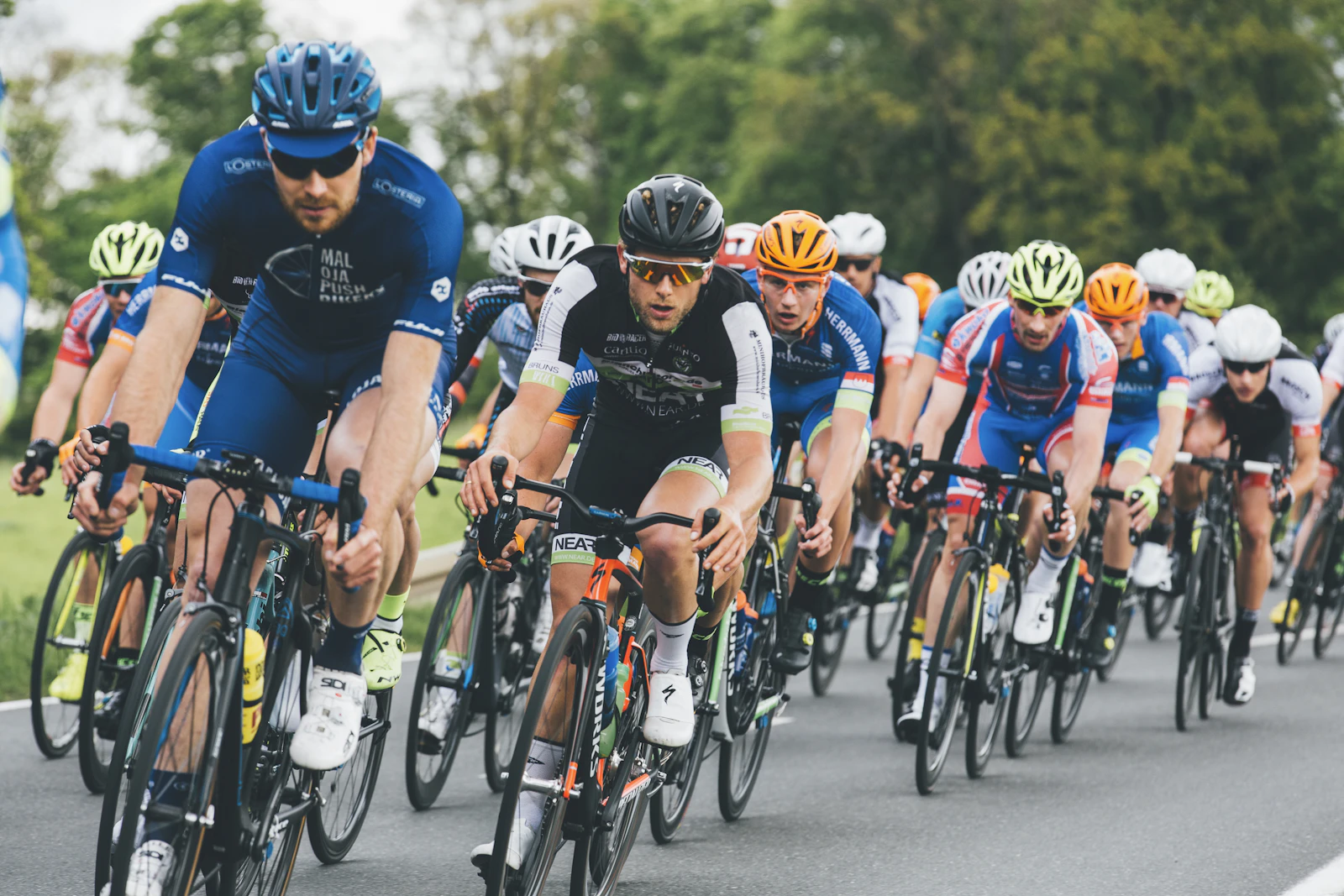
    cycling group riding together outdoors in Barcelona
    Outdoor fitness is more welcoming when pace, distance, and equipment are clear before anyone shows up. Photo via Unsplash.

    This guide is for readers who want to try outdoor fitness and cycling, understand what a beginner-friendly group should look like, and choose a realistic first step in Barcelona. The useful question is not only “what is available?” It is “what kind of plan would I actually attend, enjoy, and maybe repeat?”

    Why Outdoor Fitness Needs a Clear Plan

    In Barcelona, the setting often does half the work. A small group near Gracia, El Born, Parc de la Ciutadella, or Collserola gives people a reason to arrive, look around, and talk without making the whole thing feel like a networking exercise. Outdoor fitness and cycling works useful when the activity gives people something concrete to notice, try, compare, or improve together.

    In a fitness group, attention goes to pace, form, distance, and recovery. That keeps the plan practical and stops the social side from feeling like the only assignment.

    What a good beginner-friendly meetup includes

    A good an outdoor fitness or cycling group should make the first step feel clear. For beginners, that means: start with pace, distance, equipment, weather, and escape routes; nobody should discover halfway through that “casual” means mountain-goat behavior. The point is not to remove all uncertainty. A little uncertainty is life being life. The point is to remove the avoidable kind: vague locations, unclear costs, surprise skill levels, and hosts who assume many people has already attended twelve similar events.

    • A specific meeting point near a recognizable landmark such as Barceloneta or Gracia
    • A clear note about beginner level, cost, equipment, and language
    • A small enough group that people can actually hear each other
    • A simple first-ten-minutes plan so nobody hovers around pretending to inspect their phone
    • A host or member who welcomes people arriving alone

    Fitness Formats Where Pace Is Honest

    A useful format depends on your energy. Some people want something quiet and repeatable. Others want a small adventure. In Barcelona, these formats are realistic starting points:

    • Beginner rides around areas like Barceloneta
    • Bodyweight park workouts around areas like Gracia
    • Coastal or canal loops around areas like El Born
    • Social recovery walks around areas like Montjuic

    The phrase “meetup” can sound larger than it needs to be. A strong hobby gathering might be six people, one hour, one clear activity, and a gentle goodbye before the whole thing starts feeling like compulsory team-building. Small is not a weakness. Small is often why people come back.

    people cycling as a social outdoor activity in Barcelona
    Barcelona hobby scene chosen to match this guide’s real-life activity focus. Photo via Unsplash.

    Beginner mistakes to avoid

    The common mistake is trusting the word “casual” without asking about pace, distance, and equipment. For fitness groups, details are not boring; they are how people avoid surprise suffering.

    Another mistake is waiting until you feel perfectly ready. For most hobbies, readiness arrives after you begin. Bring the basic equipment, ask the obvious question, and choose a group where beginners are not treated like a logistical inconvenience. A good an outdoor fitness or cycling group should make learning feel normal.

    Where to look in Barcelona

    In Barcelona, match the hobby to the neighborhood: Gracia and El Born suit cafe, book, language, and creative plans; Parc de la Ciutadella and Collserola suit outdoor movement; Montjuic works when the view is part of the reward.

    In Barcelona, timing and neighborhood mood change the whole experience. A plan near Gracia may suit conversation and cafes; one near Collserola may suit outdoor energy; one near the beach needs a clear meeting point because “near the sea” is not a location, it is a romantic problem.

    For planning, it helps to check a few independent local resources rather than relying on one platform. These links are useful starting points for parks, public spaces, cultural venues, or places that often support hobby-friendly plans:

    Etiquette that keeps the group welcoming

    Good hobby meetups are casual, but casual does not mean careless. Arrive when you said you would, respect the host’s instructions, ask before photographing people, and do not turn a beginner session into a private masterclass nobody requested. If the group is mixed-level, generosity matters. The person learning today may be the person who keeps the group alive next month.

    For hosts, clarity is kindness. Tell people what to bring, what not to worry about, and how the activity will start. If money is involved, say so early. If the event is weather-dependent, have a backup. If the group is open to beginners, prove it in the wording, not only in the title.

    How to meet people without making it weird

    The trick is to make the activity the center, not the performance of being social. If you are joining, ask one simple question about the hobby. If you are hosting, introduce the plan before introducing many people. People relax when they know what happens next.

    Good hobby groups leave space for different personalities. Some people talk immediately. Some need twenty minutes and a task. Some are friendly but tired. That is normal. A useful meetups make room for both the person who arrives ready to chat and the person who needs the activity to warm the room first.

    When a hobby match is more useful than another listing

    Kumele is useful after the reader has a real hobby intention. It is built for hobbyists rather than as a generic event directory: people build a profile around what they enjoy, then get matched by hobbies, age, and location so local connection starts from shared interest.

    That matters for outdoor fitness and cycling because compatibility is practical. A beginner may want a slower group. Someone in the same part of Barcelona may be easier to meet again. Someone in a similar life stage may understand the same schedule problems. That is why Kumele’s confirmed focus on hobbies, age, and location is relevant: it speaks to the real human question behind the search, which is not just “what can I do?” but “who might I enjoy doing this with?”

    Related Kumele guides for Barcelona

    If you are comparing options in Barcelona, these related Kumele guides are useful next reads:

    A realistic first step

    If you want to try outdoor fitness and cycling in Barcelona, do not start with a grand reinvention of your life. Start with one small plan this week. Pick a place, a time, and a beginner-friendly format. Invite one or two people if you know them, or look for a small group where arriving alone is clearly welcome.

    The goal is not to become a new personality by Thursday. The goal is to give yourself a repeatable way to meet people through something you already like, or something you are curious enough to try. That is how hobbies turn from “I should do that someday” into actual community.

    If the first meetup is only fine, that is still useful information. Try a second format before deciding the hobby or the city has rejected you personally. Sometimes the right group is one neighborhood over, one level gentler, or one host more organized. Community is often less dramatic than people imagine. It is a series of small returns.

  • Language Exchange in Barcelona: A Friendlier Way to Practice

    Language exchange in Barcelona is for the brave beginner, the rusty speaker, the expat who knows three useful phrases and one very dramatic apology, and the local who enjoys watching people discover that grammar has a sense of humour.

    The promise is simple: practice language with real people in a setting that does not make you feel as if you accidentally walked into an exam. Barcelona is generous with light, noise, and temptation. It can make a small hobby plan feel cinematic, but strong meetups still need ordinary things: a clear time, a real meeting point, and someone kind enough to explain what happens first.

    Language exchange meetup with people talking around a cafe table in Barcelona
    Language exchange in Barcelona: real conversation, not a classroom performance. Photo via Unsplash.

    The real fear is not grammar, it is being exposed

    Most people are not afraid of vocabulary lists. They are afraid of freezing while another human waits politely. A useful language meetup in Barcelona understands that fear and designs around it. Small tables, timed partner switches, prompt cards, and clear language levels matter because they protect beginners from becoming the evening's accidental entertainment.

    In neighborhoods such as Gracia, Eixample, and Poblenou, the setting can change the whole mood. A bright cafe table feels different from a loud bar. A walk with a clear route feels different from standing in a circle, hoping your confidence arrives before your turn does.

    A good table has rhythm

    The strongest language exchanges have rhythm: five minutes of warmup, a clear prompt, a language switch, a small correction moment, and a graceful exit. That structure sounds ordinary, but ordinary is powerful when people are nervous. It tells the room what to do next.

    For Barcelona, I would look for formats that name the language pair, the level, the venue, whether beginners are welcome, and whether the group uses prompts. If the description only says 'come practice and meet people,' ask one question before going. Mystery is charming in novels. It is less charming when you are trying to find the right table.

    Three Barcelona formats that make practice easier

    • A cafe table near Gracia for a one-hour beginner exchange where nobody has to shout over music.
    • A walk-and-talk route around Eixample where a prompt card does half the social heavy lifting.
    • A quiet Sunday group near Poblenou for people who want repetition, correction, and mercy in equal measure.

    These examples are planning models, not claims that those exact sessions are active today. They show the kind of detail worth looking for when comparing language exchange meetups in Barcelona.

    Small language practice group sharing notes and conversation prompts in Barcelona
    A second language exchange image for Barcelona, focused on notes, prompts, and small-group practice. Photo via Unsplash.

    The small etiquette that keeps people talking

    Correct gently. Share the air. Ask questions that can be answered by someone who is still searching for the verb. Do not turn every correction into a TED Talk with vowels. Good language partners make room for effort without treating every mistake like breaking news.

    Spanish, Catalan, and international life overlap here, so the strongest groups make room for different levels of confidence. That cultural mix can make Barcelona especially rich for language practice, but only when the group respects different speeds. A beginner, a fluent speaker, and a shy intermediate can all belong at the same table if the format makes the turn-taking clear.

    What a beginner should prepare

    Prepare three tiny things before you go. First, one sentence about why you are learning. Second, one question you can ask someone else. Third, one graceful phrase for when your brain becomes a white wall with curtains. The goal is not to sound impressive. The goal is to keep the conversation alive long enough for confidence to warm up.

    For Barcelona, it also helps to think about context. Are you practicing for work, study, daily errands, travel, neighbors, or the deep emotional sport of ordering food without switching back to English? The clearer your reason, the easier it is to choose the right table.

    How to tell if the group is working

    A good language exchange leaves people a little more relaxed by the end. You hear laughter, but not at anyone's expense. Corrections are specific, not theatrical. People repeat useful phrases. Beginners are not abandoned with fluent speakers who mean well but speak at the speed of weather.

    The room should feel lightly structured. Too much structure turns practice into school. Too little structure turns it into social fog. The sweet spot is a table where people know what to do next but still have room for the conversation to wander into books, work, music, bad pronunciation, and the universal comedy of false friends.

    The return test

    After the first meetup, ask one honest question: would I return to this exact format in Barcelona next week? Not forever. Not as a lifestyle declaration. Just next week. If the answer is yes, you may have found a useful rhythm. If the answer is no, keep the lesson and try a different room. Language practice improves through repetition, but the setting still has to respect the human doing the repeating.

    A tiny script for the first conversation

    If you need a starting script in Barcelona, keep it simple: say your name, say the language you are practicing, and ask what brought the other person to the table. Then listen for a detail you can follow. This is not charisma wizardry. It is just giving the conversation a handle.

    Useful questions are specific without being intense: What word do you keep forgetting? Which phrase sounds beautiful to you? What situation do you want to handle better? What local habit confused you at first? Questions like that create stories, and stories keep language practice from becoming a worksheet with beverages.

    Why this can bring people back

    A strong language exchange in Barcelona gives readers a reason to return because progress is visible. One week you understand a menu phrase. Another week you survive a small joke. Eventually someone says something quickly and your brain catches it before panic does. That tiny victory can be quietly addictive.

    The article has done its job if a reader can close the page and make one clear decision: this is the kind of room I want, this is what I should check, and this is how I can start without pretending to be more fluent than I am.

    That kind of usefulness matters because the reader did not come for a decorative list of language exchange ideas in Barcelona. They came for judgment: what is worth trying, what feels safe enough for beginners, and how to avoid wasting an evening on a room that makes practice feel heavier than silence.

    If the page makes one person in Barcelona feel brave enough to try a small table instead of waiting for polished confidence, it has served the reader well. That is the standard: practical enough to use, warm enough to remember.

    Where Kumele belongs in the reader journey

    The article should help first. Kumele becomes relevant when the reader wants compatible hobby people nearby rather than another anonymous listing. Because Kumele focuses on hobbies, age, and location, it can support the practical question behind language exchange: who near me might want the same kind of practice?

    For a wider local path, keep Complete Barcelona hobby guide, New to Barcelona hobby meetups, and Barcelona activity groups open as companion reads.

    Useful local checks for Barcelona

    Before attending, check public transport, opening hours, venue noise, and whether the meeting point is precise enough to find without sending three panicked messages.

    A reader-first next step

    Choose one language exchange in Barcelona, check the level, prepare two useful sentences, and go for one hour. If you leave with one new phrase and one person you would speak to again, that is a win. Fluency can wait. Courage has already entered the room.

    This guide supports readers searching for language exchange Barcelona, language meetup Barcelona, and practical ways to practice languages in Barcelona without turning the evening into a performance.

  • Photography walks in Barcelona: golden hour routes, simple prompts, and meeting people through photos

    Barcelona is a city that rewards people who look slowly.

    You get:

    • warm light that turns ordinary streets into movie sets
    • plazas where life happens outside
    • textures everywhere: stone, tiles, paint, posters
    • and a rhythm that makes “walk and notice” feel normal

    If you’re searching for photography walks Barcelona, you probably want a plan that’s:

    • beginner-friendly
    • social without being forced
    • and specific enough that you don’t just wander until you’re hungry and slightly lost

    This guide covers easy Barcelona photo-walk routes, simple prompts, what to bring, and how to meet people through photography.

    Barcelona beginners joining a welcoming local hobby group
    Barcelona community members meeting through a shared activity

    Quick answer: the best photo walk prompt for Barcelona

    If you don’t want to overthink it, start with one of these:

    • shadows (Barcelona is basically a shadow city)
    • doorways + balconies
    • one color (pick “red” or “blue” and commit)
    • hands (coffee cups, markets, gestures)

    A prompt helps because it gives your walk a small mission.

    You stop “trying to take good photos” and start looking for something specific.

    That’s when you relax — and your photos improve.

    Beginner-friendly photo walk routes in Barcelona

    1) El Born → Parc de la Ciutadella (the “textures + breathing space” route)

    Born gives you:

    • narrow streets
    • shopfront details
    • old stone + modern life layered together

    Then the park gives you:

    • light, trees, open space
    • people relaxing (which makes candid-style practice easier)

    This route is great if you’re new to street photography. You can practice without feeling like you’re “in people’s faces.”

    2) Gràcia plazas (the “social city” route)

    Gràcia has a plaza culture that’s perfect for photo walks.

    You can focus on:

    • café scenes
    • chess tables
    • bikes
    • little rituals (people greeting, friends meeting, parents with kids)

    If you want to meet people through photography, plazas are friendly because people aren’t rushing.

    3) Montjuïc (the “views + wide angles” route)

    Montjuïc is a great photo walk if you want:

    • scenic viewpoints
    • stairs and lines
    • a mix of nature + city

    It’s also good for groups because you can pause often without blocking anyone.

    4) Eixample grid (the “geometry” route)

    Eixample is a gift if you like:

    • straight lines
    • repeating patterns
    • symmetry

    Simple prompt:

    • “Only shoot corners.”

    You’ll get so many options you’ll start laughing.

    What to bring (Barcelona edition)

    • comfortable shoes (you will walk more than you think)
    • water
    • a light layer (especially for evenings or breezy spots)
    • phone or camera + charged battery

    Optional:

    • a small microfiber cloth (dust + city life happens)
    • a power bank

    You do not need fancy gear.

    You need time and curiosity.

    Camera tips that make your photos better immediately

    1) Pick a “distance” for the day

    Choose one:

    • wide
    • medium
    • close

    Beginners often shoot everything wide because it feels safer.

    Try one walk where you commit to details.

    Barcelona details are unreal: tiles, textures, signage, shadows.

    2) Shoot the same subject three ways

    When you see something interesting, take:

    • one wide shot for context
    • one medium shot
    • one detail shot

    This trains your eye fast — and gives you options.

    3) Don’t chase “Instagram spots” on a photo walk

    You can, but it often turns the walk into:

    • crowds
    • waiting
    • pressure

    A better photo walk is built on everyday scenes.

    That’s where you get photos that feel like yours.

    How to meet people on Barcelona photo walks

    Photography helps socializing because it gives you a shared focus.

    Easy openers:

    • “What are you shooting today?”
    • “Phone or camera?”
    • “Do you usually shoot people or places?”
    • “What’s your favorite neighborhood to photograph?”

    If someone takes a cool photo, say so.

    A simple “That’s a great shot” is an invitation.

    If you want to be extra kind:

    • offer to take a quick photo of them with their camera/phone

    It’s one of the easiest ways to create a small moment of trust.

    How to find photography meetups in Barcelona

    Places to look:

    • Meetup groups (search “photo walk Barcelona”)
    • local photography communities
    • workshops at cultural spaces and galleries

    When you read event descriptions, look for:

    • a clear meeting point
    • a theme or route
    • “beginner friendly” language
    • a clear end time

    Clarity is what makes joining feel easy.

    Hosting your own small Barcelona photo walk (simple blueprint)

    If you can’t find the perfect group, host a small one.

    A good beginner host plan:

    1) pick a 60–90 minute route (Born → park is perfect) 2) pick a theme (shadows / doorways / one color) 3) pick a clear meeting point 4) set a relaxed pace 5) end somewhere easy (park bench, café)

    Your job is not to be a tour guide.

    Your job is to make the first ten minutes obvious.

    Street photography etiquette (especially in busy neighborhoods)

    Barcelona is full of life — and people deserve respect while you practice.

    A few simple guidelines help:

    • If someone is clearly the subject, ask first.
    • Avoid photographing children closely without explicit consent from a parent/guardian.
    • If someone looks uncomfortable, lower the camera and move on.
    • Don’t block narrow sidewalks while you “just get one more angle.”

    You can take great photos while being considerate. In fact, you usually take better photos when you’re calm.

    Best times for a Barcelona photo walk

    If you want the easiest light:

    • Golden hour: warm glow, long shadows, soft contrast.
    • Overcast days: even light, great for details and color.
    • Early mornings: fewer crowds, more room to practice.

    Midday sun can be harsh. If you only have midday, shoot:

    • in shade
    • in narrow streets
    • close-ups and textures instead of wide scenes

    If you don’t want to photograph strangers (you’re still doing it right)

    Street photography doesn’t have to mean photographing faces.

    Try “people-adjacent” photo walks:

    • hands holding coffee
    • silhouettes and shadows
    • feet, bikes, and motion blur
    • market details and textures

    You’ll still learn composition, light, and timing — without feeling intrusive.

    Fast answers

    Phone or camera?

    Both work. A phone is often better for beginners because it’s lighter, less intimidating, and easier to shoot consistently. Consistency matters more than gear.

    Do I need to know photography settings?

    Not to start. You can shoot auto and still learn a lot. If you want to level up, pick one concept per walk (light, composition, or timing) instead of trying to learn everything at once.

    How long should a photo walk be?

    60–90 minutes is perfect for beginners. Long enough to settle in, short enough that you don’t end the walk tired and grumpy.

    Sample 90-minute Barcelona photo walk (Born → Ciutadella)

    If you want a ready-made plan:

    1) Meet: a clear landmark in El Born (choose one spot and stick to it). 2) 15 minutes: warm-up shots (textures, doorways, one color). 3) 30 minutes: slow street section (narrow streets, shadows, small scenes). 4) 15 minutes: pause break (water, quick photo share if you want). 5) 30 minutes: Parc de la Ciutadella (people at a distance, trees, movement, light).

    End with a simple question to make it social: “Are you coming to another walk soon?” It turns a nice one-off into a repeatable hobby.

    Quick rain plan (because weather occasionally has opinions)

    If it rains, don’t cancel automatically. Switch your prompt to: reflections, umbrellas, window light, and café scenes. Rainy Barcelona can be incredibly photogenic — and quieter. Bring a small cloth for your lens.

    And yes, wet streets make the colors pop.

    Keep exploring Barcelona

    Make the first visit easier

    Before choosing a hobby group, look for the detail that would make you comfortable enough to return: the exact meeting point, the expected level, the likely group size, and whether the plan still works if you arrive alone. In Barcelona, that practical layer matters because a hobby is not just an idea; it has to fit transport, timing, weather, energy, and the small courage it takes to walk in for the first time. That is how a promising idea becomes something you can repeat. For “Photography walks in Barcelona: golden hour routes, simple prompts, and meeting people through p”, that small distinction is what makes the advice usable rather than decorative.

    Choose the clearest next step

    A good first step for photography walks in Barcelona is to pick a session where the materials, level, and outcome are clear. In Barcelona, creative groups become less intimidating when the goal is to try something honestly, not to produce a masterpiece while pretending your hands are not nervous.

    What to notice after the first visit

    Let photography walks in barcelona start as a practical experiment. Check the time, place, level, cost, and group tone. If those basics feel manageable, the social side has a much better chance of developing naturally.

    Give the hobby room to work

    The activity should carry some of the social weight. In Barcelona, that might mean a shared table, a court, a trail, a studio, a park, or a simple route. With photography walks in Barcelona, the best setting gives people something to notice together, so nobody has to manufacture conversation from thin air.

    Final thought

    The best approach to photography walks Barcelona is not to hunt for the perfect group. Start with one clear, beginner-friendly option, notice how it feels, and repeat the parts that make you want to come back. Real community usually begins with a small plan that is easy enough to do again.