Author: Kumele Blog team

  • Yoga and Breathwork Meetups in Barcelona: Gentle Social Wellness

    Yoga and breathwork meetups in Barcelona should feel like a doorway, not a performance. You do not need to arrive serene. Arriving tense is, frankly, how many people discover they need the class.

    Barcelona is generous with light, noise, and temptation. It can make a small hobby plan feel cinematic, but strong meetups still need ordinary things: a clear time, a real meeting point, and someone kind enough to explain what happens first. That texture matters because calm is easier to find when the setting respects real life.

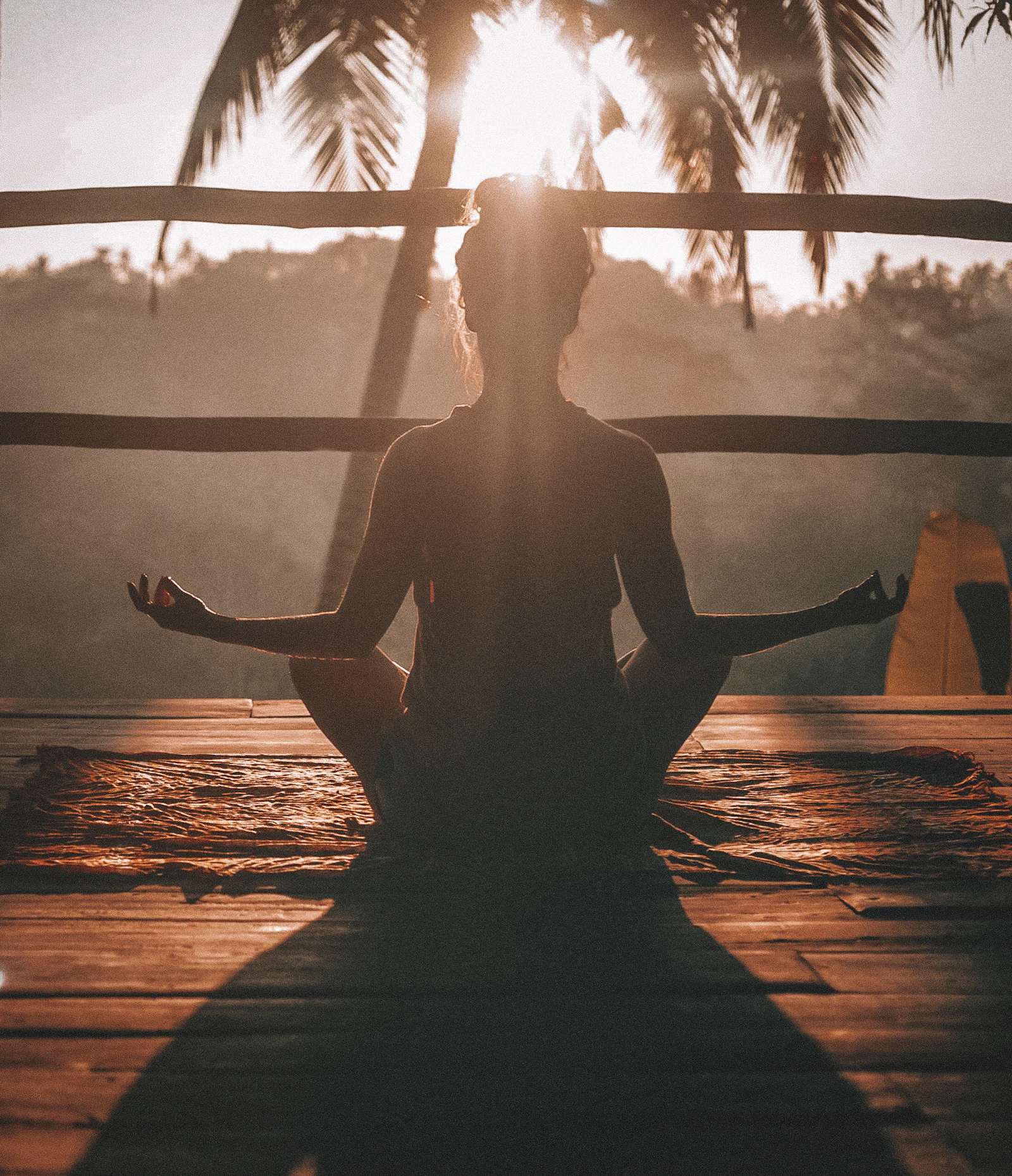
    Yoga and breathwork meetup with people practicing gentle movement together in Barcelona
    Yoga and breathwork meetup in Barcelona: gentle movement should feel accessible, not theatrical. Photo via Unsplash.

    Calm starts with safety, not slogans

    A credible yoga or breathwork meetup in Barcelona should name the level, pace, teacher or facilitator, cost, venue, and any safety notes. Breathwork especially needs clear framing because people respond differently to breathing practices. A responsible session does not promise treatment, instant transformation, or a personality upgrade by sunset.

    The reader should know whether the class is gentle, athletic, spiritual, secular, silent, social, indoors, outdoors, beginner-friendly, or emotionally intense. Those words help people choose well. Without them, the invitation becomes a misty cloud with a payment link.

    What works in Barcelona: soft structure and real logistics

    Near Gracia, Eixample, or Poblenou, a good session might be simple: mats down, slow introduction, clear practice, short closing, optional tea or walk. That may sound ordinary. Ordinary can be holy when your nervous system has been typing in all caps.

    • A beginner class near Gracia where the description names the pace, intensity, and what to bring.
    • A quiet park or studio session around Eixample with a short social pause after practice.
    • A breathwork or gentle movement circle near Poblenou that explains safety, consent, and beginner expectations clearly.

    Heat, late schedules, tourists, and neighborhood rhythm all matter. A good plan respects the city instead of pretending every plaza is a ready-made community. A wellness meetup that ignores travel, weather, heat, noise, or timing is not being spiritual. It is being vague in comfortable trousers.

    The social part should be gentle

    Good yoga and breathwork groups do not force bonding. They create conditions where a small conversation can happen naturally after the practice. Maybe someone asks where you got your mat. Maybe nobody speaks and that is still fine. A calm room should not become a networking event in bare feet.

    Spanish, Catalan, and international life overlap here, so the strongest groups make room for different levels of confidence. That makes Barcelona a good place for low-pressure wellness groups when the organizer knows how to hold boundaries. Calm does not mean floating above practical details. Calm often begins because the details are handled.

    Calm breathwork and meditation group sitting together in a quiet room in Barcelona
    A second yoga and breathwork image for Barcelona, focused on calm group practice and beginner-friendly atmosphere. Photo via Unsplash.

    Green flags and red flags

    Green flags: clear beginner notes, consent-aware language, no medical promises, an explanation of intensity, and an easy way to ask questions. Red flags: miracle claims, shame-based body talk, hidden costs, unclear facilitators, and descriptions that sound as if a crystal swallowed a sales page.

    A good class can be spiritual, practical, quiet, joyful, or a little awkward in a sweet way. It should not make people feel lesser for being new. Many people have a first class where left and right briefly become a philosophical dispute.

    The body should not feel like a project to fix

    A welcoming yoga or breathwork group does not treat the body as a renovation site. It gives people options. It lets beginners rest. It explains modifications without making them sound like punishments for being human. That matters because many people arrive carrying stress, self-consciousness, or the quiet suspicion that the rest of the room received the manual.

    In Barcelona, a good wellness meetup also respects the city outside the room. Heat, hills, transport, noise, weather, and timing can shape whether people arrive regulated or already halfway to becoming soup. Practical care is part of the calm.

    What to notice after the session

    Do you feel steadier, clearer, or simply less clenched? Did the facilitator explain things in plain language? Were people allowed to be quiet afterward? Did the social part feel optional rather than demanded? Those details matter more than whether the room looked impressive on a feed.

    The right group leaves space around the experience. You can talk, or not. You can return, or not. You can take one useful breathing cue into the week without announcing a full personal rebirth. This is wellness for adults with emails, knees, histories, and errands.

    The return test for calm

    After trying a yoga or breathwork meetup in Barcelona, ask whether the format made calm easier to reach. If yes, repeat once. If no, keep looking. The goal is not to find the most impressive room; it is to find a practice and a group that help you come back to yourself without making the process feel like another job.

    How to arrive without overthinking everything

    For a first yoga or breathwork meetup in Barcelona, prepare the basics and then stop negotiating with yourself. Check the location, bring water, wear something comfortable, and read the intensity notes. If the class says beginner-friendly, you are allowed to be a beginner. This sounds obvious until you are standing by the door inventing legal reasons to leave.

    If you feel nervous, choose a spot where you can see the facilitator and rest without drama. Good rooms make that normal. You should not have to perform calm for other people. The whole point is to practice returning to calm honestly, with your actual body, actual breath, and actual Tuesday still attached.

    Why gentle wellness content deserves care

    People searching for yoga meetups or breathwork groups in Barcelona may be carrying stress, loneliness, curiosity, grief, or simple physical tension. That reader deserves more than keyword-heavy wellness fog. They need grounded advice, emotional permission, and practical details that help them choose safely.

    The article succeeds when someone feels less intimidated and better equipped. It should not promise to fix their life. It should help them pick one room, one pace, one question, and one honest breath. That is enough to begin.

    That is also why this guide should feel calm to read. A person looking for wellness meetups in Barcelona should not have to fight through hype, vague spirituality, or athletic pressure just to understand the next step. The page should lower the heart rate a little before the reader even reaches the class.

    If the page helps someone in Barcelona choose a gentle room and feel less embarrassed about being new, it has done its job. Calm begins with permission, not performance.

    Where Kumele can help after the article has helped

    This guide should help readers judge the room before they join it. Kumele becomes useful when someone wants to meet compatible hobby people nearby around wellness, movement, calm routines, or gentle social plans. The platform focus is hobbies, age, and location, which keeps the next step practical.

    For a wider local path, keep Complete Barcelona hobby guide, New to Barcelona hobby meetups, and Barcelona activity groups open as companion reads.

    Useful local checks for Barcelona

    Use local resources to compare public spaces, travel, and venue context before choosing an outdoor or neighborhood-based session. These are starting points, not endorsements.

    A kind first step

    Choose one beginner-friendly yoga or breathwork meetup in Barcelona. Check the intensity. Bring water. Arrive early enough not to sprint into calm like a startled office chair. Then let the practice be small. You do not need to become a new person. You only need one honest hour with your body and breath.

    This guide supports readers searching for yoga meetups Barcelona, breathwork groups Barcelona, and wellness meetups Barcelona with advice that is practical, cautious, and human.

  • Walking and Hiking Groups in Barcelona: Beginner-Friendly Ideas

    A useful walking plan in Barcelona is rarely the most dramatic one. It is the route people can actually find, finish, and talk through without pretending they trained for a mountain documentary. For newcomers and locals alike, walking and hiking works because movement gives conversation somewhere easy to begin.

    Hobby Meetup scene for Walking and Hiking Groups in Barcelona: Beginner-Friendly Ideas in Barcelona
    Hobby Meetup visual matched to the article topic in Barcelona; selected to support the reader’s practical understanding, not to decorate the page.

    This guide is for readers who want to try walking and hiking, understand what a beginner-friendly group should look like, and choose a realistic first step in Barcelona. The useful question is not only “what is available?” It is “what kind of plan would I actually attend, enjoy, and maybe repeat?”

    Why Barcelona Is Good for Walks and Hikes

    In Barcelona, the setting often does half the work. A small group near Gracia, El Born, Parc de la Ciutadella, or Collserola gives people a reason to arrive, look around, and talk without making the whole thing feel like a networking exercise. Walking and hiking works useful when the activity gives people something concrete to notice, try, compare, or improve together.

    On a walk, attention moves with the route. Conversation can start, pause, and return without anyone feeling trapped under a spotlight.

    What a good beginner-friendly meetup includes

    A good walking or hiking group should make the first step feel clear. For beginners, that means: start with short routes, clear meeting points, sensible shoes, water, and an honest note about pace. The point is not to remove all uncertainty. A little uncertainty is life being life. The point is to remove the avoidable kind: vague locations, unclear costs, surprise skill levels, and hosts who assume many people has already attended twelve similar events.

    • A specific meeting point near a recognizable landmark such as Barceloneta or Gracia
    • A clear note about beginner level, cost, equipment, and language
    • A small enough group that people can actually hear each other
    • A simple first-ten-minutes plan so nobody hovers around pretending to inspect their phone
    • A host or member who welcomes people arriving alone

    Walking and Hiking Formats to Try

    A useful format depends on your energy. Some people want something quiet and repeatable. Others want a small adventure. In Barcelona, these formats are realistic starting points:

    • Beginner park walks around areas like Barceloneta
    • Photo-friendly city routes around areas like Gracia
    • Weekend nature walks around areas like El Born
    • Short after-work loops around areas like Montjuic

    The phrase “meetup” can sound larger than it needs to be. A strong hobby gathering might be six people, one hour, one clear activity, and a gentle goodbye before the whole thing starts feeling like compulsory team-building. Small is not a weakness. Small is often why people come back.

    Hobby Meetup scene for Walking and Hiking Groups in Barcelona: Beginner-Friendly Ideas in Barcelona
    Hobby Meetup visual matched to the article topic in Barcelona; selected to support the reader’s practical understanding, not to decorate the page.

    Beginner mistakes to avoid

    The common mistake is starting with a route that is too long, too vague, or too far from transit. A first walk should make people want a second one.

    Another mistake is waiting until you feel perfectly ready. For most hobbies, readiness arrives after you begin. Bring the basic equipment, ask the obvious question, and choose a group where beginners are not treated like a logistical inconvenience. A good walking or hiking group should make learning feel normal.

    Where to look in Barcelona

    In Barcelona, match the hobby to the neighborhood: Gracia and El Born suit cafe, book, language, and creative plans; Parc de la Ciutadella and Collserola suit outdoor movement; Montjuic works when the view is part of the reward.

    In Barcelona, timing and neighborhood mood change the whole experience. A plan near Gracia may suit conversation and cafes; one near Collserola may suit outdoor energy; one near the beach needs a clear meeting point because “near the sea” is not a location, it is a romantic problem.

    For planning, it helps to check a few independent local resources rather than relying on one platform. These links are useful starting points for parks, public spaces, cultural venues, or places that often support hobby-friendly plans:

    Etiquette that keeps the group welcoming

    Good hobby meetups are casual, but casual does not mean careless. Arrive when you said you would, respect the host’s instructions, ask before photographing people, and do not turn a beginner session into a private masterclass nobody requested. If the group is mixed-level, generosity matters. The person learning today may be the person who keeps the group alive next month.

    For hosts, clarity is kindness. Tell people what to bring, what not to worry about, and how the activity will start. If money is involved, say so early. If the event is weather-dependent, have a backup. If the group is open to beginners, prove it in the wording, not only in the title.

    How to meet people without making it weird

    The trick is to make the activity the center, not the performance of being social. If you are joining, ask one simple question about the hobby. If you are hosting, introduce the plan before introducing many people. People relax when they know what happens next.

    Good hobby groups leave space for different personalities. Some people talk immediately. Some need twenty minutes and a task. Some are friendly but tired. That is normal. A useful meetups make room for both the person who arrives ready to chat and the person who needs the activity to warm the room first.

    When a hobby match is more useful than another listing

    Kumele is useful after the reader has a real hobby intention. It is built for hobbyists rather than as a generic event directory: people build a profile around what they enjoy, then get matched by hobbies, age, and location so local connection starts from shared interest.

    That matters for walking and hiking because compatibility is practical. A beginner may want a slower group. Someone in the same part of Barcelona may be easier to meet again. Someone in a similar life stage may understand the same schedule problems. That is why Kumele’s confirmed focus on hobbies, age, and location is relevant: it speaks to the real human question behind the search, which is not just “what can I do?” but “who might I enjoy doing this with?”

    Related Kumele guides for Barcelona

    If you are comparing options in Barcelona, these related Kumele guides are useful next reads:

    A realistic first step

    If you want to try walking and hiking in Barcelona, do not start with a grand reinvention of your life. Start with one small plan this week. Pick a place, a time, and a beginner-friendly format. Invite one or two people if you know them, or look for a small group where arriving alone is clearly welcome.

    The goal is not to become a new personality by Thursday. The goal is to give yourself a repeatable way to meet people through something you already like, or something you are curious enough to try. That is how hobbies turn from “I should do that someday” into actual community.

    If the first meetup is only fine, that is still useful information. Try a second format before deciding the hobby or the city has rejected you personally. Sometimes the right group is one neighborhood over, one level gentler, or one host more organized. Community is often less dramatic than people imagine. It is a series of small returns.

  • Meditation Meetups in Barcelona: Calm Ways to Meet People

    A meditation meetup in Barcelona should not feel like a test of who can look the most peaceful in public. The better version is quieter and more human: a clear start time, a calm format, and enough kindness for beginners who are still negotiating with their own attention span.

    Hobby Meetup scene for Meditation Meetups in Barcelona: Calm Ways to Meet People in Barcelona
    Hobby Meetup visual matched to the article topic in Barcelona; selected to support the reader’s practical understanding, not to decorate the page.

    This guide is for readers who want to try meditation and mindfulness, understand what a beginner-friendly group should look like, and choose a realistic first step in Barcelona. The useful question is not only “what is available?” It is “what kind of plan would I actually attend, enjoy, and maybe repeat?”

    Why Calm Meetups Make Sense in Barcelona

    In Barcelona, the setting often does half the work. A small group near Gracia, El Born, Parc de la Ciutadella, or Collserola gives people a reason to arrive, look around, and talk without making the whole thing feel like a networking exercise. Meditation and mindfulness works useful when the activity gives people something concrete to notice, try, compare, or improve together.

    In a meditation group, attention is allowed to be quiet. That is the whole point: people can share a room without having to fill every second.

    What a good beginner-friendly meetup includes

    A good meditation circle should make the first step feel clear. For beginners, that means: look for a clear format, quiet arrival time, beginner-friendly language, and no pressure to perform serenity like a stage act. The point is not to remove all uncertainty. A little uncertainty is life being life. The point is to remove the avoidable kind: vague locations, unclear costs, surprise skill levels, and hosts who assume many people has already attended twelve similar events.

    • A specific meeting point near a recognizable landmark such as Barceloneta or Gracia
    • A clear note about beginner level, cost, equipment, and language
    • A small enough group that people can actually hear each other
    • A simple first-ten-minutes plan so nobody hovers around pretending to inspect their phone
    • A host or member who welcomes people arriving alone

    Calm Meetup Formats to Try

    A useful format depends on your energy. Some people want something quiet and repeatable. Others want a small adventure. In Barcelona, these formats are realistic starting points:

    • Silent sits around areas like Barceloneta
    • Guided meditation around areas like Gracia
    • Breathwork circles around areas like El Born
    • Mindful walking around areas like Montjuic

    The phrase “meetup” can sound larger than it needs to be. A strong hobby gathering might be six people, one hour, one clear activity, and a gentle goodbye before the whole thing starts feeling like compulsory team-building. Small is not a weakness. Small is often why people come back.

    group wellness session with yoga and meditation in Barcelona
    Barcelona hobby scene chosen to match this guide’s real-life activity focus. Photo via Unsplash.

    Beginner mistakes to avoid

    The common mistake is choosing a group that makes calm feel like a performance. A good beginner session explains the format and removes unnecessary mystery.

    Another mistake is waiting until you feel perfectly ready. For most hobbies, readiness arrives after you begin. Bring the basic equipment, ask the obvious question, and choose a group where beginners are not treated like a logistical inconvenience. A good meditation circle should make learning feel normal.

    Where to look in Barcelona

    In Barcelona, match the hobby to the neighborhood: Gracia and El Born suit cafe, book, language, and creative plans; Parc de la Ciutadella and Collserola suit outdoor movement; Montjuic works when the view is part of the reward.

    In Barcelona, timing and neighborhood mood change the whole experience. A plan near Gracia may suit conversation and cafes; one near Collserola may suit outdoor energy; one near the beach needs a clear meeting point because “near the sea” is not a location, it is a romantic problem.

    For planning, it helps to check a few independent local resources rather than relying on one platform. These links are useful starting points for parks, public spaces, cultural venues, or places that often support hobby-friendly plans:

    Etiquette that keeps the group welcoming

    Good hobby meetups are casual, but casual does not mean careless. Arrive when you said you would, respect the host’s instructions, ask before photographing people, and do not turn a beginner session into a private masterclass nobody requested. If the group is mixed-level, generosity matters. The person learning today may be the person who keeps the group alive next month.

    For hosts, clarity is kindness. Tell people what to bring, what not to worry about, and how the activity will start. If money is involved, say so early. If the event is weather-dependent, have a backup. If the group is open to beginners, prove it in the wording, not only in the title.

    How to meet people without making it weird

    The trick is to make the activity the center, not the performance of being social. If you are joining, ask one simple question about the hobby. If you are hosting, introduce the plan before introducing many people. People relax when they know what happens next.

    Good hobby groups leave space for different personalities. Some people talk immediately. Some need twenty minutes and a task. Some are friendly but tired. That is normal. A useful meetups make room for both the person who arrives ready to chat and the person who needs the activity to warm the room first.

    When a hobby match is more useful than another listing

    Kumele is useful after the reader has a real hobby intention. It is built for hobbyists rather than as a generic event directory: people build a profile around what they enjoy, then get matched by hobbies, age, and location so local connection starts from shared interest.

    That matters for meditation and mindfulness because compatibility is practical. A beginner may want a slower group. Someone in the same part of Barcelona may be easier to meet again. Someone in a similar life stage may understand the same schedule problems. That is why Kumele’s confirmed focus on hobbies, age, and location is relevant: it speaks to the real human question behind the search, which is not just “what can I do?” but “who might I enjoy doing this with?”

    Related Kumele guides for Barcelona

    If you are comparing options in Barcelona, these related Kumele guides are useful next reads:

    A realistic first step

    If you want to try meditation and mindfulness in Barcelona, do not start with a grand reinvention of your life. Start with one small plan this week. Pick a place, a time, and a beginner-friendly format. Invite one or two people if you know them, or look for a small group where arriving alone is clearly welcome.

    The goal is not to become a new personality by Thursday. The goal is to give yourself a repeatable way to meet people through something you already like, or something you are curious enough to try. That is how hobbies turn from “I should do that someday” into actual community.

    If the first meetup is only fine, that is still useful information. Try a second format before deciding the hobby or the city has rejected you personally. Sometimes the right group is one neighborhood over, one level gentler, or one host more organized. Community is often less dramatic than people imagine. It is a series of small returns.

  • Best Neighborhoods in Barcelona for Small Hobby Communities

    A good hobby guide for Barcelona should help someone do more than admire the idea of community from a browser tab. It should make the first step feel possible: what to try, where to start, what to check before going, and how to choose a group that fits real life rather than a fantasy version of it.

    Barcelona neighborhood setting for local hobby communities in Barcelona
    Barcelona hobby scene chosen to match this guide’s real-life activity focus. Photo via Unsplash.

    This guide looks at neighborhood hobby communities and hobby-led community in Barcelona with a practical lens: beginner-friendly formats, local planning realities, useful places to check, and the social details that help strangers become familiar faces.

    The real search behind “Useful Neighborhoods in Barcelona for Small Hobby Communities”

    When someone searches for hobby meetups in Barcelona, they are usually asking several questions at once. What can I do here? Where do people like me go? Can I arrive alone? Will the group be friendly to beginners? Is this a serious club, a casual gathering, or a mysterious social experiment with snacks?

    Those questions deserve better than a thin list. A useful guide should explain the social reality of the city, the beginner path, a useful types of activities, and the small details that make people feel safe enough to show up.

    Why Barcelona is suited to hobby-led connection

    Warm, expressive, outdoorsy, and full of people balancing local roots with international energy, Barcelona has the ingredients for strong hobby communities. Barcelona is built for activity with a view: beach yoga, sketching in a plaza, a language table after work, or a slow hike where the city keeps appearing below you. The social scene can look effortless from outside. In reality, most people still need an easy first invitation and a reason to return.

    A useful local groups respect the mood of the city. In Barcelona, that means choosing formats that feel real, repeatable, and easy to understand. People are more likely to return when the promise is modest and true: a walk, a table, a class, a small creative session, a shared route, a recurring hour.

    Hobbies worth trying first

    Some hobbies are easier entry points because they give people something to do while conversation warms up. Start with activities that make room for beginners and do not require a dramatic purchase before you even know whether you enjoy them.

    • Walking or hiking around places like Barceloneta, Gracia, or Poblenou
    • Photography walks through El Born, Montjuic, or other visually rich neighborhoods
    • Language exchange tables with simple prompts and mixed levels
    • Board game nights where the rules are taught patiently
    • Cooking, food walks, or market trips where conversation has somewhere delicious to go
    • Meditation, yoga, or breathwork for people who want calmer social spaces
    • Creative workshops such as sketching, collage, writing, music, or dance
    • Volunteer projects where shared values turn into practical action
    Barcelona local public space for small hobby communities in Barcelona
    The easier a place is to find and revisit, the easier a small community becomes. Photo via Unsplash.

    The right first hobby is usually the one with the lowest honest barrier. If someone needs expensive equipment, specialist language, and a heroic commute, they may admire the idea and still rarely go. If the first step is clear enough to try this week, the odds improve. That is why walking, language exchange, casual games, beginner workshops, and food-based gatherings work so well as early community builders.

    Three example paths for different personalities

    For the quiet newcomer

    Start with an activity where silence is allowed. A walking group, sketching session, museum visit, or photography walk lets conversation happen in small pieces. You can participate without performing. That matters for people who want connection but do not want to walk into a room and immediately audition for friendship.

    For the social organiser

    If you naturally bring people together, keep the first event smaller than your ambition. Six to ten people is often enough. Choose one clear activity, one location, and one repeatable format. The goal is not to prove the city is ready for a movement by next Tuesday. The goal is to create something people can understand, enjoy, and repeat.

    For the restless explorer

    If you like trying everything, use hobbies as a map of the city. One week can be a food walk, another a language table, another a park workout, another a drawing session. That variety is not flaky if you approach it with intention. It becomes a way to learn which communities, neighborhoods, and rhythms actually fit your life.

    How to choose the right group

    Look for clarity. A good listing or invitation should tell you the activity, level, location, cost, duration, group size, language, and what happens if the weather, transport, or life itself decides to be dramatic. Vague invitations create unnecessary nerves. Clear ones make people brave.

    Also consider your own energy. If you are new to Spain, returning after time away, or simply tired of social scenes that feel like auditions, choose hobbies where you can participate before you have to perform. A walk, workshop, class, or game table is kinder than a room where the only task is to be fascinating on demand.

    The host matters more than the logo

    A strong hobby host does not need to be a celebrity, expert, or motivational speaker. A useful hosts are clear, kind, and organized. They know how to welcome someone arriving alone, explain the plan, and move the group into the activity before the first ten minutes become awkward.

    • Start with a simple welcome and the plan for the session
    • Use names only when the group is small enough for names to matter
    • Pair newcomers gently instead of leaving them to float
    • Keep the activity moving so conversation has a natural rhythm
    • End with a clear next step for anyone who wants to return

    This is where many communities succeed or fail. People remember how they felt in the first ten minutes. Did someone explain the plan? Did the group make room for late arrivals without letting the whole session collapse? Did beginners feel normal? The answers decide whether a hobby meetup becomes a repeat habit or a one-time experiment.

    Where Kumele fits naturally

    Kumele is built from the ground up for hobbyists. Kumele is built around hobby-based matching by hobbies, age, and location: people build a profile around what they enjoy, then use that shared-interest signal to find more relevant local connections. That confirmed positioning matters because the right hobby is only half the story. The right nearby people make it easier for shared interests to become real-life connection, not another chat thread that dies quietly after three polite messages.

    That does not mean every article should talk about Kumele from top to bottom. The better editorial approach is to teach first. Help the reader understand the hobby, the city, the beginner path, and the social reality. Then, when they are ready to act, Kumele becomes a practical bridge from reading to meeting.

    Neighborhood thinking in Barcelona

    Neighborhoods matter because community is partly convenience. If a group meets near Barceloneta, it may attract a different rhythm than one near El Born or Parc de la Ciutadella. That is not good or bad. It is simply human. People return to places that fit their routes, budgets, confidence, and daily lives.

    For early hobby communities, repeatability beats spectacle. A monthly walk, weekly language table, or small creative circle in the same area can become familiar faster than a huge event that changes location every time. Familiarity is underrated. It is the quiet engine of belonging.

    An unbiased hobby guide should also point readers outward. Local public-space, culture, and visitor resources can help people check opening times, access, transport, and venue rules before suggesting a meetup:

    Related Kumele guides for Barcelona

    Use these related Barcelona guides to move from the big picture into a specific hobby:

    A broad city guide is useful only if it helps readers choose a real next step. Someone exploring Barcelona may start with the big picture, then move into a specific hobby such as walking, language exchange, board games, food, photography, or meditation. A useful path is the one that reduces uncertainty instead of adding more tabs to the pile.

    Helpful links should feel like doors, not traps. When a related guide explains a specific hobby more clearly, point the reader there. When an external city resource is better for opening times, park rules, access, or transport, send the reader outward with confidence. Trust grows when a guide behaves like a guide.

    How to start without overthinking it

    Pick one hobby. Pick one beginner-friendly format. Pick one clear location. Write the invitation as if the person reading it is interested but nervous. That means fewer grand claims and more practical details: “We will meet outside the main entrance, walk for 45 minutes, and stop for coffee after if people want to.” Magic? No. Effective? Very often.

    If you are joining instead of hosting, choose one group and give it a fair chance. Not every first meetup becomes a friendship story you tell at a wedding. Sometimes it is just a decent hour with decent people. That still counts. Community is built through repetition, not one cinematic evening under well suited lighting.

    What a useful listing should tell people

    A strong hobby listing should answer the questions people are too polite to ask. Can I come alone? What does beginner-friendly actually mean? What should I bring? Is there a cost? Is the location accessible by public transport or ride-hailing? What language will people likely use? Can I leave early without making it weird? These details may not look glamorous, but they are what turn interest into attendance.

    For Barcelona, this practical layer is especially important because people may be dealing with new routines, new neighborhoods, language differences, traffic or transport decisions, and the simple fatigue of adult life. A good hobby guide respects that. It does not pretend many people is waiting around with unlimited time and a perfectly charged social battery.

    What will make these guides more useful over time

    For Barcelona, the strongest measure is whether the content helps real people choose a hobby, understand a local scene, and feel less awkward about showing up. The guide should become more specific as real questions appear: what beginners ask, which details hosts forget, which locations work, and which formats people actually repeat.

    As Kumele grows, future updates should come from confirmed local experience: real host questions, member feedback, owned photos, and practical examples. Until then, the safest editorial standard is to be useful without pretending to know what has not been verified.

    Helpful questions before you join or host

    What is the easiest hobby to start in Barcelona?

    The easiest hobby is usually the one that needs the least equipment and has the clearest first step. Walking, language exchange, casual games, sketching, food walks, and beginner wellness sessions are strong starting points because people can participate without proving themselves first. A useful choice is not the trendiest one. It is the one you can repeat without negotiating with your entire life.

    Should I join as a guest or create something as a host?

    If you are still learning the local scene, join as a guest first and pay attention to what makes you comfortable. If you already know the activity and can explain it simply, hosting may be the better move. A host does not need to be well suited. A host needs to be clear, kind, and honest about the level, place, cost, and plan.

    How does matching improve hobby meetups?

    Matching helps because hobbies are personal, but logistics are practical. Two people may both like photography, but if one wants an advanced night shoot across town and the other wants a beginner phone walk near home, the match is weak. Age and location context can make the first meeting feel more relevant, especially for people who want nearby, repeatable connections rather than one-off events.

    Final thought

    Barcelona does not need another vague promise that community is out there somewhere. It needs small, practical doors into real life. Hobbies are one of a useful doors we have: gentle enough for beginners, specific enough for search, and human enough to keep people coming back.

    Start with curiosity. Add a place, a time, and a few people who care about the same thing. That is the beginning of a hobby community, and it is the kind of real-life connection Kumele is being built to support through hobby, age, and location matching.

  • The Kumele Prelaunch Guide for Barcelona Hobby Hosts

    A good hobby guide for Barcelona should help someone do more than admire the idea of community from a browser tab. It should make the first step feel possible: what to try, where to start, what to check before going, and how to choose a group that fits real life rather than a fantasy version of it.

    Barcelona park location for hosting hobby meetups in Barcelona
    A good Barcelona host chooses a location that matches the activity and makes newcomers feel oriented. Photo via Unsplash.

    This guide looks at hobby hosting and hobby-led community in Barcelona with a practical lens: beginner-friendly formats, local planning realities, useful places to check, and the social details that help strangers become familiar faces.

    The real search behind “The Kumele Prelaunch Guide for Barcelona Hobby Hosts”

    When someone searches for hobby meetups in Barcelona, they are usually asking several questions at once. What can I do here? Where do people like me go? Can I arrive alone? Will the group be friendly to beginners? Is this a serious club, a casual gathering, or a mysterious social experiment with snacks?

    Those questions deserve better than a thin list. A useful guide should explain the social reality of the city, the beginner path, a useful types of activities, and the small details that make people feel safe enough to show up.

    Why Barcelona is suited to hobby-led connection

    Warm, expressive, outdoorsy, and full of people balancing local roots with international energy, Barcelona has the ingredients for strong hobby communities. Barcelona is built for activity with a view: beach yoga, sketching in a plaza, a language table after work, or a slow hike where the city keeps appearing below you. The social scene can look effortless from outside. In reality, most people still need an easy first invitation and a reason to return.

    A useful local groups respect the mood of the city. In Barcelona, that means choosing formats that feel real, repeatable, and easy to understand. People are more likely to return when the promise is modest and true: a walk, a table, a class, a small creative session, a shared route, a recurring hour.

    Hobbies worth trying first

    Some hobbies are easier entry points because they give people something to do while conversation warms up. Start with activities that make room for beginners and do not require a dramatic purchase before you even know whether you enjoy them.

    • Walking or hiking around places like Barceloneta, Gracia, or Poblenou
    • Photography walks through El Born, Montjuic, or other visually rich neighborhoods
    • Language exchange tables with simple prompts and mixed levels
    • Board game nights where the rules are taught patiently
    • Cooking, food walks, or market trips where conversation has somewhere delicious to go
    • Meditation, yoga, or breathwork for people who want calmer social spaces
    • Creative workshops such as sketching, collage, writing, music, or dance
    • Volunteer projects where shared values turn into practical action
    Barcelona outdoor space for beginner-friendly hosted activities in Barcelona
    Barcelona hobby scene chosen to match this guide’s real-life activity focus. Photo via Unsplash.

    The right first hobby is usually the one with the lowest honest barrier. If someone needs expensive equipment, specialist language, and a heroic commute, they may admire the idea and still rarely go. If the first step is clear enough to try this week, the odds improve. That is why walking, language exchange, casual games, beginner workshops, and food-based gatherings work so well as early community builders.

    Three example paths for different personalities

    For the quiet newcomer

    Start with an activity where silence is allowed. A walking group, sketching session, museum visit, or photography walk lets conversation happen in small pieces. You can participate without performing. That matters for people who want connection but do not want to walk into a room and immediately audition for friendship.

    For the social organiser

    If you naturally bring people together, keep the first event smaller than your ambition. Six to ten people is often enough. Choose one clear activity, one location, and one repeatable format. The goal is not to prove the city is ready for a movement by next Tuesday. The goal is to create something people can understand, enjoy, and repeat.

    For the restless explorer

    If you like trying everything, use hobbies as a map of the city. One week can be a food walk, another a language table, another a park workout, another a drawing session. That variety is not flaky if you approach it with intention. It becomes a way to learn which communities, neighborhoods, and rhythms actually fit your life.

    How to choose the right group

    Look for clarity. A good listing or invitation should tell you the activity, level, location, cost, duration, group size, language, and what happens if the weather, transport, or life itself decides to be dramatic. Vague invitations create unnecessary nerves. Clear ones make people brave.

    Also consider your own energy. If you are new to Spain, returning after time away, or simply tired of social scenes that feel like auditions, choose hobbies where you can participate before you have to perform. A walk, workshop, class, or game table is kinder than a room where the only task is to be fascinating on demand.

    The host matters more than the logo

    A strong hobby host does not need to be a celebrity, expert, or motivational speaker. A useful hosts are clear, kind, and organized. They know how to welcome someone arriving alone, explain the plan, and move the group into the activity before the first ten minutes become awkward.

    • Start with a simple welcome and the plan for the session
    • Use names only when the group is small enough for names to matter
    • Pair newcomers gently instead of leaving them to float
    • Keep the activity moving so conversation has a natural rhythm
    • End with a clear next step for anyone who wants to return

    This is where many communities succeed or fail. People remember how they felt in the first ten minutes. Did someone explain the plan? Did the group make room for late arrivals without letting the whole session collapse? Did beginners feel normal? The answers decide whether a hobby meetup becomes a repeat habit or a one-time experiment.

    Where Kumele fits naturally

    Kumele is built from the ground up for hobbyists. Kumele is built around hobby-based matching by hobbies, age, and location: people build a profile around what they enjoy, then use that shared-interest signal to find more relevant local connections. That confirmed positioning matters because the right hobby is only half the story. The right nearby people make it easier for shared interests to become real-life connection, not another chat thread that dies quietly after three polite messages.

    That does not mean every article should talk about Kumele from top to bottom. The better editorial approach is to teach first. Help the reader understand the hobby, the city, the beginner path, and the social reality. Then, when they are ready to act, Kumele becomes a practical bridge from reading to meeting.

    Neighborhood thinking in Barcelona

    Neighborhoods matter because community is partly convenience. If a group meets near Barceloneta, it may attract a different rhythm than one near El Born or Parc de la Ciutadella. That is not good or bad. It is simply human. People return to places that fit their routes, budgets, confidence, and daily lives.

    For early hobby communities, repeatability beats spectacle. A monthly walk, weekly language table, or small creative circle in the same area can become familiar faster than a huge event that changes location every time. Familiarity is underrated. It is the quiet engine of belonging.

    An unbiased hobby guide should also point readers outward. Local public-space, culture, and visitor resources can help people check opening times, access, transport, and venue rules before suggesting a meetup:

    Related Kumele guides for Barcelona

    Use these related Barcelona guides to move from the big picture into a specific hobby:

    A broad city guide is useful only if it helps readers choose a real next step. Someone exploring Barcelona may start with the big picture, then move into a specific hobby such as walking, language exchange, board games, food, photography, or meditation. A useful path is the one that reduces uncertainty instead of adding more tabs to the pile.

    Helpful links should feel like doors, not traps. When a related guide explains a specific hobby more clearly, point the reader there. When an external city resource is better for opening times, park rules, access, or transport, send the reader outward with confidence. Trust grows when a guide behaves like a guide.

    How to start without overthinking it

    Pick one hobby. Pick one beginner-friendly format. Pick one clear location. Write the invitation as if the person reading it is interested but nervous. That means fewer grand claims and more practical details: “We will meet outside the main entrance, walk for 45 minutes, and stop for coffee after if people want to.” Magic? No. Effective? Very often.

    If you are joining instead of hosting, choose one group and give it a fair chance. Not every first meetup becomes a friendship story you tell at a wedding. Sometimes it is just a decent hour with decent people. That still counts. Community is built through repetition, not one cinematic evening under well suited lighting.

    What a useful listing should tell people

    A strong hobby listing should answer the questions people are too polite to ask. Can I come alone? What does beginner-friendly actually mean? What should I bring? Is there a cost? Is the location accessible by public transport or ride-hailing? What language will people likely use? Can I leave early without making it weird? These details may not look glamorous, but they are what turn interest into attendance.

    For Barcelona, this practical layer is especially important because people may be dealing with new routines, new neighborhoods, language differences, traffic or transport decisions, and the simple fatigue of adult life. A good hobby guide respects that. It does not pretend many people is waiting around with unlimited time and a perfectly charged social battery.

    What will make these guides more useful over time

    For Barcelona, the strongest measure is whether the content helps real people choose a hobby, understand a local scene, and feel less awkward about showing up. The guide should become more specific as real questions appear: what beginners ask, which details hosts forget, which locations work, and which formats people actually repeat.

    As Kumele grows, future updates should come from confirmed local experience: real host questions, member feedback, owned photos, and practical examples. Until then, the safest editorial standard is to be useful without pretending to know what has not been verified.

    Helpful questions before you join or host

    What is the easiest hobby to start in Barcelona?

    The easiest hobby is usually the one that needs the least equipment and has the clearest first step. Walking, language exchange, casual games, sketching, food walks, and beginner wellness sessions are strong starting points because people can participate without proving themselves first. A useful choice is not the trendiest one. It is the one you can repeat without negotiating with your entire life.

    Should I join as a guest or create something as a host?

    If you are still learning the local scene, join as a guest first and pay attention to what makes you comfortable. If you already know the activity and can explain it simply, hosting may be the better move. A host does not need to be well suited. A host needs to be clear, kind, and honest about the level, place, cost, and plan.

    How does matching improve hobby meetups?

    Matching helps because hobbies are personal, but logistics are practical. Two people may both like photography, but if one wants an advanced night shoot across town and the other wants a beginner phone walk near home, the match is weak. Age and location context can make the first meeting feel more relevant, especially for people who want nearby, repeatable connections rather than one-off events.

    Final thought

    Barcelona does not need another vague promise that community is out there somewhere. It needs small, practical doors into real life. Hobbies are one of a useful doors we have: gentle enough for beginners, specific enough for search, and human enough to keep people coming back.

    Start with curiosity. Add a place, a time, and a few people who care about the same thing. That is the beginning of a hobby community, and it is the kind of real-life connection Kumele is being built to support through hobby, age, and location matching.

  • Activity groups in Barcelona: hobby ideas for locals and newcomers

    Barcelona is one of those cities where it can look like everyone already has friends.

    People glide from terrace to beach to late dinner like they were issued a social life at the airport.

    Reality: most people still need a simple way in.

    That’s why activity groups in Barcelona work so well when they’re done right: they give you a place, a rhythm, and a reason to return—without forcing the “so… tell me your entire life story” conversation in minute three. For anyone searching activity groups Barcelona with real-life connection in mind, the best options usually combine a clear hobby, a friendly meeting point, and enough structure to stop the evening becoming social fog.

    Barcelona beginners joining a welcoming local hobby group
    Barcelona community members meeting through a shared activity

    What makes an activity group “Barcelona-friendly”?

    The best groups here tend to be:

    • outdoors-aware (heat, shade, timing, meeting point)
    • neighborhood-specific (because Barcelona is really a collection of moods)
    • clear on timing (late is a vibe, but chaos is not a plan)

    Also: “near the sea” is not a location. It’s a romantic problem. Choose groups that give a pin, not poetry.

    7 activity group ideas that actually lead to friends

    1) Walking + viewpoints (the gentle social hack)

    Barcelona gives you movement, views, and natural pauses. It’s basically designed for low-pressure conversation.

    Formats that work:

    • early evening walks + a short stop for drinks/coffee
    • weekend “one loop” hikes near the city
    • photo-friendly walks (talking is optional)

    2) Hiking groups (Collserola, but make it human)

    If you’re trying to make friends, pick hikes that are:

    • short
    • beginner-friendly
    • clear about pace

    You want a hike that leaves space for conversation, not one where everyone is silently negotiating their lungs.

    3) Language tables (Spanish/Catalan/English — pick your lane)

    Language exchange is great here because Barcelona is genuinely international.

    A good language table:

    • stays small enough for real talk
    • has prompts (so the conversation doesn’t die)
    • welcomes beginners without turning it into a grammar courtroom

    Tip: choose one main goal (practice Spanish, practice Catalan, or simply meet people). Trying to do all three at once can feel like juggling on the metro escalator.

    4) Beach-adjacent movement groups (without the performance)

    Yoga, mobility, gentle running groups, and stretching sessions can be very social when the tone is relaxed.

    What to check:

    • level (beginner vs advanced)
    • equipment needs
    • whether it ends with an easy social moment (a tea, a chat, a snack)

    5) Creative workshops (ceramics, sketching, writing)

    Creative groups are underrated friendship spaces because you don’t have to be “on” the whole time.

    Great starter formats:

    • beginner ceramics courses (multi-week)
    • urban sketching meetups
    • writing circles with light prompts

    6) Board games and casual game nights

    Board game nights work because conversation happens between turns, not as a performance.

    Good signals:

    • “teach and play”
    • “open table”
    • “beginners welcome”

    7) Volunteering groups (practical, social, meaningful)

    If you want an activity group that feels grounded, volunteering can be a great option:

    • beach/park cleanups
    • community garden days
    • mutual aid support tasks

    You’re doing something useful together—which is friendship’s favorite ingredient.

    Where to start in Barcelona (by neighborhood vibe)

    This is not a perfect map. It’s a practical one.

    • Gràcia: community energy, cafés, creative groups
    • El Born: artsy meetups, language tables, small social events
    • Eixample: central, convenient, good for classes and repeat routines
    • Poblenou: modern vibe, cowork/creative circles, walks
    • Montjuïc / Parc de la Ciutadella: outdoors meetups, movement, easy group plans

    Pick a place you can realistically return to. Repetition beats novelty.

    How to join without it feeling awkward

    Use one sentence. That’s the whole trick.

    • “Hi—first time here. Is this group open?”
    • “Is this the [activity] meetup? I’m new.”

    If the group is newcomer-friendly, those sentences work.

    Reader questions

    Do I need Spanish or Catalan to join activity groups?

    Not always. Many groups are bilingual or English-friendly. Still: learning a few basics goes a long way, and language exchange is literally built for this.

    What if I’m shy?

    Start with formats where talking is optional at first: sketching, walking, board games, ceramics. The activity gives the first conversation somewhere natural to begin.

    How fast do friendships form?

    Usually after a few repeats. Don’t judge a group after one night—especially in a city where plans happen late and schedules shift.

    A simple next step

    Pick one activity group and give it a fair real-world try.

    If you like meeting people through shared interests (instead of random social chaos), Kumele describes itself as a hobby meetup app built for hobbyists (learn more: https://kumele.com/about/).

    Why the first step matters

    Barcelona gives hobby groups a natural advantage when the place fits the activity: plazas for conversation, parks for movement, cafes for reading, and the coast for low-pressure outdoor energy. For hobby meetups, the strongest plan is usually the one that answers the little questions people are almost embarrassed to ask: where exactly do we meet, what level is this, what should I bring, what happens if I arrive alone, and is there a graceful way to leave if the format is not for me? Those details are not boring. They are what turn curiosity into attendance.

    Good hobby plans make uncertainty smaller. They tell people where to go, what to bring, how long the activity lasts, what level is expected, and whether it is normal to arrive alone. That may sound basic, but basic is often what gets someone out the door.

    Ways this can work

    For activity groups in Barcelona, the setting should make the activity easier rather than simply more photogenic. A good place answers the practical questions first: where to meet, how to begin, what level to expect, and how people can participate without pretending they already know the ritual.

    Beginner-friendly options can include walking groups, language tables, creative workshops, and casual game nights. The practical details matter: level, duration, cost, equipment, language, group size, and whether beginners are genuinely welcome. The more clearly the first step is described, the easier it is for a nervous beginner to say yes.

    Turning interest into a real plan

    Kumele should be understood as a starting point, not the whole friendship. By matching around hobbies, age, and location, it can help people looking for activity groups in Barcelona find a more compatible first room. The rest still depends on clear plans, safe settings, and whether people actually want to return.

    A good match makes the first meeting feel less random and the second one easier to imagine. Someone may love hobby meetups, but still need a nearby setting, a suitable level, and a group rhythm that feels natural.

    A simple way to begin

    If several Barcelona activities sound possible, choose the one with the clearest first step. A walk, class, game night, or language table is easier to try when the meeting point and level are obvious.

    A good first attempt should feel simple enough to repeat. Before you commit to Activity groups in Barcelona: hobby ideas for locals and newcomers, check the route, level, cost, and group size. If those details fit your week in Barcelona, you have already removed half the friction.

    A quick pre-meetup check

    Before committing, check the meeting point, transport, expected cost, beginner level, language, weather plan, equipment, and whether arriving alone is normal. For Barcelona, also think about timing and how easy it will be to return if the first meeting goes well. The best hobby plan is not the one with the loudest promise. It is the one that makes your next good decision obvious.

    A good invitation should let you imagine arrival, participation, and exit without decoding the whole evening.

    Helpful Barcelona reads

    Use the links above only if they help you keep exploring Barcelona in a practical way. The better next step is still simple: choose one realistic activity groups in Barcelona option and see whether it feels worth repeating.

    The human part of the hobby

    A hobby becomes social when it is easy enough to repeat. For activity groups in Barcelona, that may mean a smaller group, a familiar neighborhood, a beginner-friendly pace, or a meeting point that does not require a heroic transport strategy. The less energy people spend figuring out the basics, the more energy they have left for the activity itself.

    A friendlier way to begin

    You do not need to become the most outgoing person in the room. You only need a setting where participation is simple and the first conversation has somewhere to land. Shared hobbies are useful because they replace the pressure to be instantly interesting with the relief of doing something real together.

    Keep the first attempt ordinary

    Do not ask the first attempt to fix your entire social life. Let activity groups in Barcelona do one useful thing: put you near people who care about something similar, in a setting where conversation has a natural place to begin. That is already enough. Anything more can arrive later, preferably without a dramatic montage.

    Where to look next

    To keep exploring nearby options, use the Barcelona Kumele blog for related guides and the Barcelona Kumele homepage for the prelaunch city overview. Then come back to one specific activity groups in Barcelona plan you can actually try.

    Final thought

    The best approach to activity groups Barcelona is not to hunt for the perfect group. Start with one clear, beginner-friendly option, notice how it feels, and repeat the parts that make you want to come back. Real community usually begins with a small plan that is easy enough to do again.

  • How to meet people in Barcelona through hobbies (without forcing small talk)

    If you’re trying to meet people in Barcelona, you’ll get one piece of advice about a hundred times:

    “Go out more.”

    Which is… fine. But “going out” is not the same as making friends. You can spend three months doing casual drinks and still not have anyone you’d call when your phone dies and you’re lost in a neighborhood you can’t pronounce yet.

    Hobbies are the shortcut—not because they’re magical, but because they’re structured.

    Barcelona beginners joining a welcoming local hobby group
    Barcelona community members meeting through a shared activity

    Why hobby-based friendships are easier here

    Barcelona has:

    • strong outdoor life
    • neighborhood culture
    • lots of international arrivals

    That should make social life easy. And it does… once you have a doorway in.

    Hobby groups give you:

    • a reason to show up
    • a repeat schedule
    • shared conversation fuel

    Step 1: Choose “conversation-light” hobbies first

    If the idea of small talk makes your soul leave your body, start with hobbies where the activity takes the pressure.

    Good starter formats:

    • walking or viewpoint loops
    • board games (conversation between turns)
    • sketching / photography walks
    • ceramics classes
    • volunteering shifts with clear roles
    • language exchange with prompts

    You can work up to “let’s all sit around a table and talk” later.

    Step 2: Use neighborhoods like a strategy (not an identity)

    Barcelona is not one vibe. It’s many.

    Practical starting points:

    • Gràcia for community energy + repeatable local spots
    • El Born for creative + social meetups
    • Eixample for central routines and classes
    • Poblenou for modern, outdoorsy, creative circles
    • Parc de la Ciutadella / Montjuïc for group walks, movement, and easy “meet in a park” formats

    The best neighborhood is the one you’ll actually return to.

    Step 3: The tiny script that turns strangers into “see you next week”

    You don’t need a charismatic opener. You need a clear one.

    • “Hi—first time here. Is this group open?”
    • “How long have you been coming?”
    • “Are you coming next week?”

    That last question is the bridge. It creates a second contact point.

    Step 4: Don’t chase intensity. Chase repetition.

    Barcelona can make you feel like friendship happens in big moments:

    • festivals
    • late nights
    • perfect terrace groups

    Real friendship usually happens through:

    • familiar places
    • repeat routines
    • small invitations

    Two honest examples:

    • you become friends with someone because you both keep showing up to the same class
    • you become friends because you always end up walking the same loop and chatting after

    It’s not dramatic. It’s effective.

    Step 5: Make the first “friend invite” painfully specific

    “We should hang out sometime” is where plans go to die.

    Try:

    • “Want to do the same walk next Sunday?”
    • “I’m going to the next session—want the link?”
    • “I’m trying a beginner [activity] class next month—want to join?”

    Specific invitations are kinder. They reduce the social guessing game.

    Fast answers

    What if I don’t speak Spanish well yet?

    Start with international-friendly hobbies (walking, games, creative workshops) and add language exchange as a separate activity. You can build both social life and Spanish skills without turning every chat into homework.

    How long does it take to make friends?

    Usually a few repeats. If you keep showing up, your face becomes familiar—and familiarity is friendship’s quiet foundation.

    Is it weird to go to activities alone?

    No. In hobby groups, it’s normal. Many people come alone on purpose because they’re doing the same thing you’re doing: building community.

    A simple next step

    Pick one hobby group, return if the first meeting showed promise, and judge the fit by the pattern rather than the nerves.

    If you want to explore hobby meetups and hobby-first communities, Kumele has a guide to hobby meetup apps here: https://kumele.com/hobby/

    What to notice before you go

    Barcelona gives hobby groups a natural advantage when the place fits the activity: plazas for conversation, parks for movement, cafes for reading, and the coast for low-pressure outdoor energy. For hobby meetups, the strongest plan is usually the one that answers the little questions people are almost embarrassed to ask: where exactly do we meet, what level is this, what should I bring, what happens if I arrive alone, and is there a graceful way to leave if the format is not for me? Those details are not boring. They are what turn curiosity into attendance. This keeps the guidance tied to “How to meet people in Barcelona through hobbies (without forcing small talk)” instead of drifting into a generic checklist.

    The healthiest groups leave room for beginners. They explain the level, keep the first step understandable, and avoid turning a simple interest into a performance. Nobody needs their first meetup to feel like a final exam with snacks.

    Beginner-friendly formats

    For meet people in Barcelona through hobbies in Barcelona, the setting should make the activity easier rather than simply more photogenic. A good place answers the practical questions first: where to meet, how to begin, what level to expect, and how people can participate without pretending they already know the ritual.

    Realistic starting formats include walking groups, language tables, creative workshops, and casual game nights. The practical details matter: level, duration, cost, equipment, language, group size, and whether beginners are genuinely welcome. Practical clarity is a kindness; it gives people fewer reasons to talk themselves out of going.

    From reading to meeting

    For meet people in Barcelona through hobbies, the search is easier when compatibility is practical. Kumele’s hobby, age, and location matching can narrow the field, but the real test happens in person: can people arrive calmly, take part, and imagine meeting again without forcing it?

    People do not only search for activities; they search for the kind of people they can enjoy those activities with. Someone may love hobby meetups, but still need a nearby setting, a suitable level, and a group rhythm that feels natural.

    Make the first move small

    Use the idea while it is still warm. Put one date, place, or search phrase somewhere you will see it again. Adult hobbies survive when they become practical, not when they stay inspirational.

    The first visit does not have to deliver instant belonging. It only has to show whether the activity, people, and rhythm are worth testing once more.

    Details worth checking first

    Before committing, check the meeting point, transport, expected cost, beginner level, language, weather plan, equipment, and whether arriving alone is normal. For Barcelona, also think about timing and how easy it will be to return if the first meeting goes well. The best hobby plan is not the one with the loudest promise. It is the one that makes your next good decision obvious. This keeps the guidance tied to “How to meet people in Barcelona through hobbies (without forcing small talk)” instead of drifting into a generic checklist.

    If you cannot tell what happens first, choose a clearer option or ask before committing.

    Helpful Barcelona reads

    Use the links above only if they help you keep exploring Barcelona in a practical way. The better next step is still simple: choose one realistic meet people in Barcelona through hobbies option and see whether it feels worth repeating.

    How to choose the gentler first step

    Before choosing a hobby group, look for the detail that would make you comfortable enough to return: the exact meeting point, the expected level, the likely group size, and whether the plan still works if you arrive alone. In Barcelona, that practical layer matters because a hobby is not just an idea; it has to fit transport, timing, weather, energy, and the small courage it takes to walk in for the first time. Good hobby plans make ordinary adults feel welcome, not tested.

    Choose the clearest next step

    A strong first step for meet people in Barcelona through hobbies is the one you can picture doing this week. In Barcelona, choose the plan with clear timing, a reachable place, a realistic level, and enough warmth that arriving alone feels like a normal beginning rather than a dramatic personal challenge.

    A smarter way to choose

    A practical first plan makes participation feel ordinary. That is often where confidence begins: not with a grand entrance, but with a clear place to start.

    Keep the plan close to real life

    A hobby becomes social when it is easy enough to repeat. For meet people in Barcelona through hobbies, that may mean a smaller group, a familiar neighborhood, a beginner-friendly pace, or a meeting point that does not require a heroic transport strategy. The less energy people spend figuring out the basics, the more energy they have left for the activity itself.

    What makes the next visit easier

    A second visit is often built during the first one. If meet people in Barcelona through hobbies gives you one recognisable face, one useful tip, one pleasant route, or one reason to think “I could do that again,” the group has done something valuable. In Barcelona, repeatability beats spectacle almost every time.

    More Barcelona hobby context

    This guide is one doorway. The Barcelona Kumele homepage shows the city launch context, while the Barcelona Kumele blog connects meet people in Barcelona through hobbies with other local hobbies worth comparing.

    A sharper takeaway for readers

    The useful promise of How to meet people in Barcelona through hobbies (without forcing small talk) is simple: make meet people in Barcelona in Barcelona feel easier to try, less mysterious to enter, and more realistic to repeat. Most people do not need a perfect social plan. They need enough confidence to take the first ordinary step without feeling as if everyone else received a secret handbook.

    For meet people in Barcelona, start with a version that has a clear time, a clear place, and a clear beginner expectation. If the activity is creative, bring simple tools and curiosity. If it is physical, check pace and comfort. If it is social, keep the first goal modest: learn one name, ask one question, and leave knowing whether you would return. That is not a small win. That is how real-life hobbies begin without making your nervous system file a formal complaint.

    If Kumele appears in the reader’s next step, the confirmed idea is hobby-first matching around hobbies, age, and location. For How to meet people in Barcelona through hobbies (without forcing small talk), that matters because compatibility is practical. Shared interest gives people a reason to meet, location makes meeting again possible, and similar life rhythm can make the plan feel less forced.

    Final thought

    The best approach to meet people in Barcelona is not to hunt for the perfect group. Start with one clear, beginner-friendly option, notice how it feels, and repeat the parts that make you want to come back. Real community usually begins with a small plan that is easy enough to do again.

  • Complete Guide to Hobby Meetups in Barcelona

    Hobby meetups in Barcelona are easiest to choose when you stop asking, “Where can I meet people?” and start asking, “What would I enjoy doing even if the first conversation is a little wobbly?” That question is kinder. It gives connection a real activity to stand on.

    Barcelona is generous with light, noise, and temptation. It can make a small hobby plan feel cinematic, but strong meetups still need ordinary things: a clear time, a real meeting point, and someone kind enough to explain what happens first. A complete guide should therefore help readers choose a format, judge the room, plan the first visit, and build a repeatable social rhythm.

    small group planning a local hobby meetup together in Barcelona
    A small planning table for Barcelona readers comparing hobby meetups by activity, comfort level, and repeatability.

    Start with the activity, not the pressure

    People often treat meeting others as the main event. That can make the whole thing feel like an audition. A better approach is to pick a hobby that creates natural conversation: walking, cooking, book clubs, language exchange, photography, volunteering, yoga, board games, art, music, dance, or a beginner sports group.

    In Barcelona, the right choice also depends on timing, transport, weather, venue noise, and neighborhood rhythm. Think about places such as Gracia, Eixample, and Poblenou, but judge the exact venue by noise, access, timing, and whether a newcomer can find the group without a treasure map.

    Good meetup categories to compare in Barcelona

    • low-pressure social hobbies: walks, book clubs, language exchange, board games
    • creative hobbies: art workshops, photography walks, writing groups, music sessions
    • wellness hobbies: yoga, meditation, gentle fitness, outdoor routines
    • food hobbies: cooking classes, supper clubs, market walks, potlucks
    • community hobbies: volunteering, gardening, skill-sharing, local cleanups

    The category matters because it changes the social demand. A walk allows side-by-side conversation. A cooking class gives people tasks. A board game explains whose turn it is. A book club gives the room a shared object. Choose the format that lowers pressure rather than the one that sounds most impressive.

    people around a table choosing activities and community plans in Barcelona
    A real-life group setting for Barcelona readers who want shared interests to become simple, welcoming plans.

    How to read a meetup listing like an adult with instincts

    Look for practical details: meeting point, start and end time, cost, what to bring, beginner level, group size, host name, weather plan, and whether arriving alone is normal. If the listing has enthusiasm but no logistics, pause. Vibes are lovely. Directions are also lovely.

    Strong listings make the reader feel safer before they arrive. They explain what happens first, what the activity involves, and how newcomers are folded in. Weak listings ask people to bring courage and then give them fog.

    Match the hobby to the kind of connection you want

    A complete guide to hobby meetups in Barcelona should not pretend every activity creates the same kind of friendship. A walking group gives side-by-side conversation. A book club gives reflection. A cooking meetup gives shared tasks. A board game night gives rules, turns, and permission to be mildly dramatic about cardboard. A volunteering session gives people a shared purpose before small talk has to carry the room.

    That difference matters because many readers are not simply searching for things to do. They are searching for a less awkward way to belong somewhere. The right hobby lowers the social stakes. It gives people something to notice, ask about, learn, or help with. That is more useful than telling a nervous person to be confident, which is roughly as helpful as telling a soup to become architecture.

    In Barcelona, the strongest hobby choice is often the one that fits your weekly life. If the location is awkward, the start time clashes with work, or the cost makes you hesitate, the group may be hard to repeat. A slightly humbler meetup that you can attend twice a month may beat a glamorous one you visit once and then remember like a holiday postcard.

    How to choose your first meetup

    Pick something short, specific, and easy to leave gracefully. One hour of language exchange. A beginner sketch walk. A board game table that teaches rules. A food walk with a named meeting point. A volunteer shift with a defined task. The first visit should be a test, not a life contract.

    In Barcelona, repeatability matters. If the group is too far away, too expensive, too late, or too vague, it may not become a habit. Friendship usually grows through returning, not through one heroic evening of social optimism.

    What a good room feels like

    A good hobby meetup makes people feel useful, included, or curious within the first few minutes. The host explains the plan. Newcomers are acknowledged without being spotlighted. The activity begins before awkwardness has time to set up furniture. People leave knowing what the next step could be.

    The room does not have to be magical. In fact, magical is a suspicious requirement for a Tuesday. It only needs to be kind, clear, and worth trying again.

    Build a small personal shortlist

    Before choosing a hobby meetup in Barcelona, make a shortlist of three possibilities: one social, one creative, and one active. For example, that could mean a language exchange, a sketch walk, and a gentle walking group. This keeps the search from becoming a personality exam. You are not choosing your identity. You are choosing the next reasonable Tuesday.

    After each visit, ask three questions. Did the activity make conversation easier? Did the group explain enough for newcomers? Could I imagine returning without needing a motivational speech from my future self? If the answer is yes, keep it on the list. If the answer is no, thank the experience politely and move on.

    This is where local hobby discovery becomes practical. A reader searching for hobbies in Barcelona needs more than a directory. They need judgment: which format suits beginners, which setting supports conversation, which details signal care, and which activities can grow from one visit into a light but meaningful routine.

    Use the city as part of the choice

    Barcelona is not just a label for the search box. The city shapes what makes a meetup realistic. A hobby that sounds wonderful on paper can fail if the venue is loud, the journey is awkward, the timing is too late, or the group expects newcomers to guess the social code. Local context is part of quality.

    That is why a useful Barcelona hobby guide should mention practical filters rather than only listing ideas. Check public transport, weather, cost, venue noise, beginner level, and whether the group has a visible host. Look for activities that create small moments of participation early: reading a passage, choosing a route, setting up a board game, sharing a recipe, stretching at the start of yoga, or taking the first photo on a walk.

    The point is not to fill a calendar for the sake of being busy. The point is to find a few repeatable rooms where people can become familiar without forcing chemistry. Hobbies are useful because they give connection something to do with its hands.

    Where Kumele fits after the guide helps

    This guide should help readers make better choices before mentioning any platform. Kumele becomes useful when readers want compatible local hobby friends nearby, matched around hobbies, age, and location, so a shared interest can become a real-life plan.

    Pair this with Complete Barcelona hobby guide, New to Barcelona hobby meetups, and Barcelona activity groups.

    Useful local checks for Barcelona

    Use local resources to understand public spaces, transport, parks, venue areas, and neighborhood context. These links are starting points for planning, not endorsements of any specific meetup.

    A grounded first step

    Choose one hobby meetup in Barcelona that is specific, beginner-friendly, and easy to repeat. Go once. Notice whether the activity helped conversation feel lighter. If it did, return once. That is how a city begins to feel less anonymous.

    This complete guide supports readers searching for hobby meetups Barcelona, hobbies in Barcelona, activity groups Barcelona, and ways to meet people through shared interests.

  • Best Hobby Meetups in Barcelona

    Adults talking before a beginner friendly local hobby activity
    Beginner-friendly hobby spaces make it easier to talk without forcing instant closeness.
    Small group gathered around a table for a shared hobby
    A repeatable activity gives people a reason to return, recognise each other, and build trust over time.

    Barcelona is one of those cities where it looks like many people already has friends, plans, and a perfectly timed sunset schedule.

    And then you move here and realize: yes, people are warm—but many people still needs an actual reason to connect.

    Friends meeting outside for a hobby meetup in Barcelona
    Barcelona hobby scene chosen to match this guide’s real-life activity focus. Photo via Unsplash.

    That’s where hobby meetups in Barcelona come in. Not “let’s network.” Not “let’s party.” Just: let’s do something, and let the friendship part arrive like a shy cat.

    Why hobby meetups work in Barcelona

    Barcelona is built for activity:

    • neighborhoods that are walkable
    • parks, plazas, and sea air
    • a social rhythm that suits “small plans that become regular plans”

    But it also has a trap: if you only rely on spontaneous social life, you can end up with lots of nice chats and very few real friendships.

    Hobby meetups fix that by giving you:

    • repetition
    • a clear reason to show up
    • something to talk about besides “so… where are you from?”

    7 hobby meetup ideas that fit Barcelona (and don’t feel forced)

    1) Language exchange… with structure

    Language exchange can be brilliant in Barcelona, especially if you’re juggling Spanish, Catalan, and the reality that your brain can only hold so many verb tenses at once.

    Look formats with:

    • small tables by language
    • a host or facilitator
    • a clear start/end time

    If it’s “many people stands in a circle and hopes confidence appears,” you’re allowed to skip.

    2) Walking groups that end before you melt

    In summer, a useful walking meetups often happen early or later. (Your skin will thank you.)

    Good walking meetup formats:

    • a 60-minute neighborhood loop (Gràcia, El Born, Poblenou)
    • park loops with a meeting point you can’t miss
    • “one photo per stop” walking prompts

    3) Parks + casual outdoor hobbies

    Barcelona has parks and gardens that make group activities easy—sketching, stretching, reading circles, picnics that don’t require a full catering plan.

    Two useful starting points for park ideas:

    4) Board games (the “social but safe” option)

    Board games are a great meetup format when you don’t want small talk to be the whole evening.

    Beginner-friendly board game nights usually work useful when:

    • someone teaches the game at the start
    • groups stay small (4–6 per table)
    • the vibe is playful, not competitive

    If you’re new, choose “teach-and-play” nights over advanced tournaments.

    5) Beach fitness (but make it welcoming)

    Beach workouts can be fun and social in Barcelona—if the vibe is welcoming.

    Look for:

    • beginner-friendly sessions
    • clear meeting points
    • a warm-up that doesn’t feel like punishment

    If the meetup description reads like military training, keep walking. Literally.

    6) Creative circles (sketching, writing, photography)

    Creative meetups are often the easiest way to find “your people,” because you’re sharing attention, not trying to impress anyone.

    Great formats:

    • one-hour sketching sessions
    • photo walks with a theme
    • quiet writing sprints in a café

    7) Cooking meetups (small, simple, repeatable)

    Cooking meetups are amazing when they’re structured:

    • one dish together
    • shared ingredient list
    • clear time window

    If it’s “many people bring whatever,” you’ll end up with seven bags of chips and a philosophical debate about what counts as dinner.

    The newcomer-friendly checklist (Barcelona edition)

    If you’re joining your first hobby meetup in Barcelona, prioritize:

    • a specific meeting point (not “somewhere near the park”)
    • beginner-friendly notes
    • a group size that feels human
    • a clear plan for the first ten minutes

    And bring one backup plan (a walk, a café, a museum) so you don’t feel like you “lost” the day if it’s cancelled.

    A simple next step

    Pick one hobby meetup format you can repeat weekly. Show up twice. Follow up once.

    That’s the real secret of meeting people in Barcelona: consistency that feels light, not intense.

    If you like the idea of meeting compatible hobby people nearby, Kumele describes itself as a hobby meetup and matching app that matches people around hobbies, age, and location (learn more: https://kumele.com/about/). That is why “Hobby meetups in Barcelona: beach, board games, and language tables” needs practical texture, not just a pleasant idea.

    A practical first step for this guide

    For Hobby meetups in Barcelona: beach, board games, and language tables, start smaller than your ambition. Pick one version of board games in Barcelona that feels realistic enough to repeat. A plan that happens twice is better than a heroic plan that exists only in your notes app, looking beautiful and unemployed. The first goal is not to become the most impressive person in the group. The first goal is to arrive, understand the rhythm, and leave with a clearer sense of whether you would try it again.

    Barcelona adds its own texture to the decision. Think about travel time, cost, weather, language comfort, neighbourhood distance, and beginner level before you commit. A good hobby choice answers four ordinary questions: where do I go, what do I bring, how long does it take, and what would make the first session feel welcoming? For board games, that might mean a clear meeting point, a visible host, a beginner lane, or a format where nobody has to pretend they were born knowing the rules.

    The social part should stay light. You are not trying to assemble an entire friend group before your drink gets cold. You are trying to create one second conversation. Hobbies make that easier because the activity carries the first few minutes: a route, a recipe, a camera setting, a song, a game rule, a sketchbook, a trail, a class exercise. Suddenly you have something to say that is not “So, what do you do?” which is useful, because that question has personally ended many promising conversations before they had a chance to stretch. For this article, the strongest useful detail is tied to “Hobby meetups in Barcelona: beach, board games, and language tables”, not to a generic batch template.

    If Kumele is relevant to your next step, think of it through the confirmed idea of hobby-first matching around hobbies, age, and location. Shared interest lowers pressure. Location makes repeat plans more realistic. Age can shape schedule, pace, and comfort. For Hobby meetups in Barcelona: beach, board games, and language tables, that combination matters because friendship usually grows through repeated, ordinary contact rather than one well suited social lightning strike.

    A sensible move this week is to choose one activity, write down what would make it feel welcoming, and look for a small local option that matches that feeling. If the first attempt is awkward, do not turn it into a character verdict. You tried something in public. That already puts you ahead of the version of yourself still “doing research.”

    What makes a first attempt feel successful

    In Barcelona, a first attempt at board games does not need to be dramatic. It needs to be clear enough that you can repeat it. Decide what “successful” means before you go: staying for the whole session, learning one name, asking one useful question, finishing the route, taking ten photos, trying the beginner exercise, or simply leaving with less mystery than you arrived with.

    For Hobby meetups in Barcelona: beach, board games, and language tables, comfort matters more than instant chemistry. Choose an option with a realistic start time, a location you can reach without turning the journey into a quest, and a format where beginners are expected rather than tolerated. If the group or activity gives you enough information to show up calmly, that is already a good sign. If everything feels vague, it may still be fine, but bring extra patience and maybe a snack. Snacks have rescued more social plans than most productivity systems.

    If you want the hobby to help with friendship, focus on repeatability. One nice conversation is lovely; three ordinary meetings are where trust begins to form. That is why location and schedule matter. A well suited group across the city may be less useful than a decent one nearby that you can actually attend. A useful hobby plan is often not the most glamorous. It is the one your real life will allow. The point lands differently here because “Hobby meetups in Barcelona: beach, board games, and language tables” is solving a more particular question.

    Keep exploring locally: Barcelona hobby meetup guide Kumele Barcelona prelaunch Barcelona hobby guides. These links help readers move from one useful guide to the next without losing the thread.

    A practical first step in Barcelona

    For Useful Hobby Meetups in Barcelona, the strongest first move is small and specific: choose one beginner-friendly format, confirm the meeting place, check the expected level, and decide what would make a second visit easy. In Barcelona, that might mean asking about language, weather, transport, venue size, equipment, or whether arriving alone is normal. Those details are not decoration. They are the difference between a page that sounds nice and a plan someone can actually try this week.